

Balinese Cuisine: A Culinary Odyssey from Satay Lilit to Babi Guling and Beyond
Bali, the "Island of the Gods," is renowned worldwide for its breathtaking landscapes, vibrant culture, and serene spirituality. Yet, for many who journey to its shores, the island offers an equally profound experience for the senses: its food. Balinese cuisine is a vibrant tapestry woven from fresh local ingredients, ancient traditions, and a complex symphony of spices that tells a story with every bite. It’s a culinary adventure that extends far beyond the well-trodden tourist paths, inviting you to discover the very soul of the island.
From the iconic crispy skin of Babi Guling to the aromatic embrace of Satay Lilit, Balinese food is a testament to the islanders’ deep connection to their land and heritage. It’s food that nourishes the body, yes, but also the spirit, often prepared with an almost ritualistic reverence.
The Heart of the Flavor: Bumbu Genep
At the core of virtually every Balinese dish lies the bumbu genep, or "complete spice paste." This master blend is the island’s culinary signature, a complex paste of fresh herbs and spices pounded together to form the aromatic foundation for everything from curries to roasted meats. While exact ratios vary by family and region, the bumbu genep typically includes shallots, garlic, red chilies, ginger, turmeric, galangal, kencur (aromatic ginger), candlenuts, lemongrass, kaffir lime leaves, and black pepper.
The preparation of bumbu genep is an art form, often involving hours of pounding by hand with a mortar and pestle, releasing the essential oils and marrying the flavors into a fragrant, potent base. This commitment to fresh, complex spice blends is what gives Balinese cuisine its distinctive depth and unforgettable character.
The Uncontested King: Babi Guling (Suckling Pig)
No discussion of Balinese cuisine is complete without reverently acknowledging Babi Guling. This dish isn’t just a meal; it’s a culinary institution, a spectacle, and an experience. While traditionally reserved for religious ceremonies and special occasions, its popularity has made it widely available, drawing queues of eager diners from all walks of life.
A whole suckling pig, meticulously cleaned, is generously stuffed with a potent bumbu genep – often enhanced with additional ingredients like cassava leaves, aromatic herbs, and sometimes even a touch of blood for richness. The pig is then slow-roasted over an open fire, often rotated by hand for hours, until the skin achieves an impossibly crisp, crackling texture, while the meat beneath remains incredibly tender, juicy, and infused with the aromatic spices.
When served, the Babi Guling is typically carved and presented with a medley of accompaniments: fluffy white rice, slices of the succulent pork, a portion of the crispy skin, lawar (a mixed vegetable and meat salad), and various fiery sambals. The interplay of textures – the crunch, the tenderness, the freshness – and the explosion of flavors make Babi Guling an absolute must-try for any visitor to Bali.
The Art of the Skewer: Satay Lilit
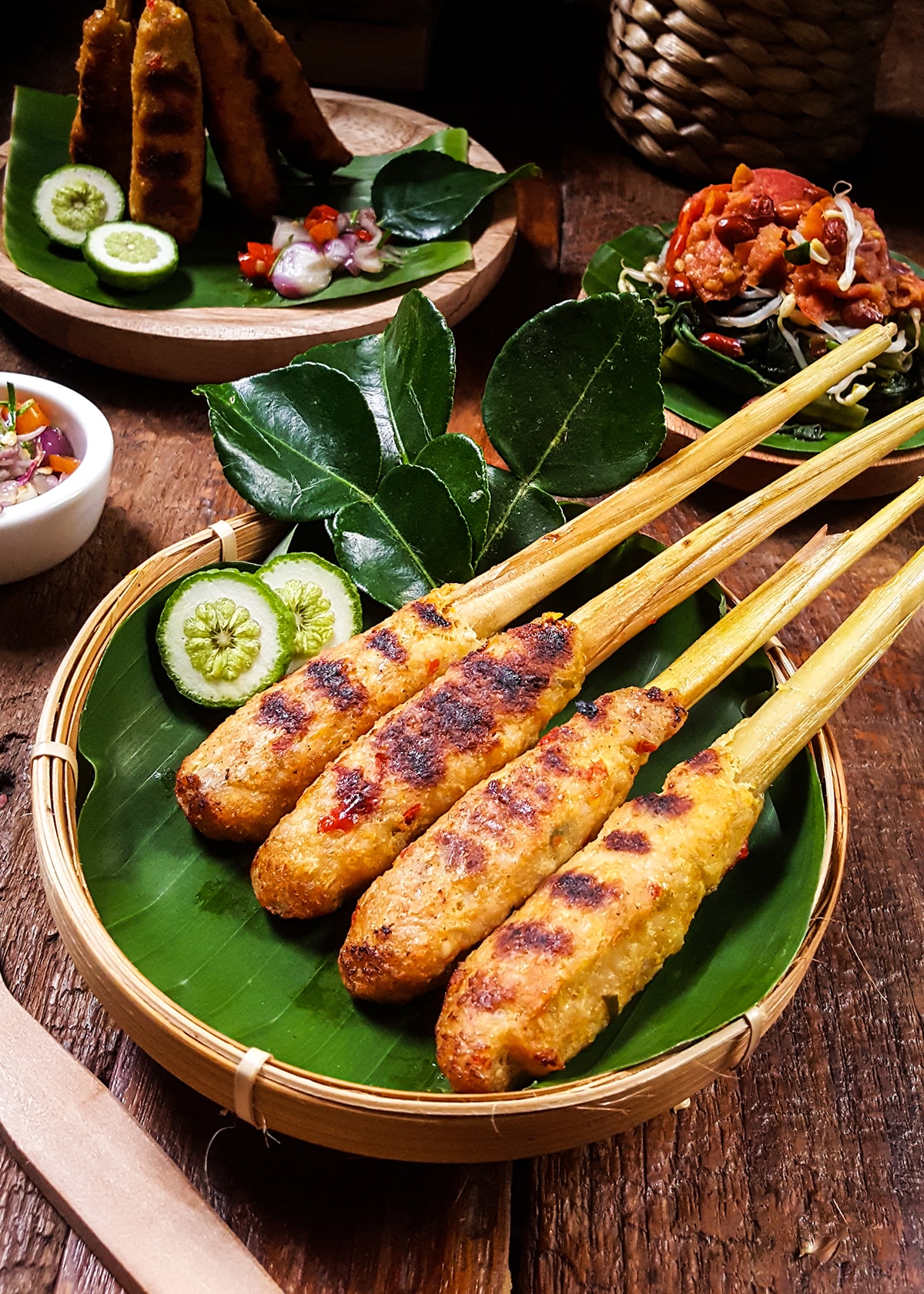
While Babi Guling reigns supreme, Satay Lilit offers a more nuanced, yet equally captivating, taste of Balinese culinary ingenuity. Unlike the more common skewered chunks of meat found throughout Southeast Asia, Satay Lilit is unique for its preparation: minced meat, often fish (like tuna or mackerel), chicken, or pork, mixed with grated coconut, bumbu genep, lime leaves, and sometimes a hint of palm sugar. This fragrant mixture is then molded by hand around a lemongrass stalk or a bamboo skewer before being grilled over charcoal.
The result is a satay that is incredibly tender, moist, and infused with a delicate smokiness and the subtle aroma of lemongrass. The grated coconut adds a lovely texture and richness, while the bumbu provides a gentle warmth rather than an overpowering spice. Satay Lilit embodies the Balinese philosophy of blending ingredients to create a harmonious whole, symbolizing unity and community in its preparation. It’s often enjoyed as part of a larger meal, showcasing the versatility and creativity of Balinese street food and home cooking.
Beyond the Icons: A Kaleidoscope of Flavors
While Babi Guling and Satay Lilit are undoubtedly stars, the Balinese culinary universe is vast and endlessly fascinating:
- Nasi Campur: The quintessential Balinese everyday meal, Nasi Campur translates to "mixed rice." It’s a colorful plate featuring a mound of steamed rice surrounded by small portions of various dishes: grilled chicken, fried tofu or tempeh, stir-fried vegetables, a hard-boiled egg, crispy peanuts, and a dollop of sambal. Each warung (local eatery) has its own unique combination, making every Nasi Campur a delightful surprise.
- Lawar: This complex salad is another cornerstone of Balinese cuisine. It typically consists of finely chopped meat (pork, chicken, or duck), vegetables (like long beans or jackfruit), grated coconut, and, crucially, a potent bumbu genep. In some traditional versions, fresh animal blood (pork or chicken) is added to enrich the flavor and bind the ingredients, creating Lawar Merah (red lawar). Lawar Putih (white lawar) omits the blood. It’s a dish often prepared communally, celebrating fresh ingredients and robust flavors.
- Betutu (Ayam/Bebek): For a taste of slow-cooked perfection, Betutu is a must-try. A whole chicken (Ayam Betutu) or duck (Bebek Betutu) is generously stuffed with bumbu genep, wrapped tightly in banana leaves or areca palm bark, and then slow-cooked for many hours – traditionally buried in hot embers. The prolonged cooking time ensures the meat is incredibly tender, falling off the bone, and thoroughly infused with the intense flavors of the spice paste.
- Sambal Matah: While many Indonesian sambals are cooked, Sambal Matah is a refreshing raw condiment that beautifully complements almost any Balinese dish. It’s a simple yet vibrant mix of finely sliced shallots, lemongrass, red chilies, kaffir lime leaves, and a generous drizzle of hot coconut oil and lime juice. Its fresh, zesty, and subtly spicy kick provides a perfect counterpoint to richer dishes.
The Balinese Dining Experience: More Than Just Food
Eating in Bali is rarely just about sustenance; it’s an immersive cultural experience. From bustling street food stalls (often called warungs) to serene rice-paddy-side restaurants and elegant fine dining establishments, each setting offers a unique window into Balinese life.
Warungs are the heart of local dining, offering authentic, affordable, and often communal experiences. Don’t be shy; embrace the opportunity to eat alongside locals, pointing at the dishes you desire for your Nasi Campur. Fine dining in Bali has also evolved, with world-class chefs creating modern interpretations of Balinese flavors, showcasing the versatility and sophistication of the island’s ingredients.
Beyond the plate, Balinese food is intertwined with the island’s spiritual fabric. Offerings (canang sari) made daily to the gods include small portions of food, symbolizing gratitude and respect. Communal cooking and eating are central to family life and ceremonies, reinforcing bonds and preserving ancient traditions.
Tips for the Culinary Explorer
For those ready to embark on this gastronomic journey, here are a few tips:
- Be Adventurous: Don’t stick to what you know. Try new things, ask locals for recommendations.
- Look for Crowds: A busy warung is usually a sign of fresh, delicious food.
- Mind the Spice: Balinese food can be spicy. If you’re sensitive, ask for "tidak pedas" (not spicy) or start with milder options.
- Stay Hydrated: The tropical climate and spicy food make hydration essential.
- Embrace the Communal Spirit: Many dishes are designed for sharing, reflecting the Balinese value of togetherness.
Balinese cuisine is a journey of discovery, a celebration of fresh ingredients, time-honored techniques, and a vibrant culture. From the fiery kick of bumbu genep to the intricate textures of Satay Lilit and the majestic presence of Babi Guling, every dish tells a story, inviting you to savor the rich flavors and deep traditions of the Island of the Gods. So, next time you visit Bali, let your taste buds lead the way – you might just find the most unforgettable part of your trip on your plate.