

Echoes of Time, Fabric of Life: The Indispensable Role of Culture and Heritage
In a world that rushes forward with breathtaking speed, constantly innovating and redefining itself, there exist two fundamental pillars that ground humanity: Culture and Heritage. More than just quaint relics of the past or abstract concepts, they are the very essence of who we are, where we’ve come from, and the compass guiding where we’re going. They weave the intricate tapestry of human experience, giving meaning, identity, and continuity to our lives. Understanding their profound significance is not merely an academic exercise; it is an exploration into the soul of civilization itself.
What is Culture? The Living Pulse of Humanity
At its heart, culture is the shared pattern of behaviors, interactions, cognitive constructs, and affective understanding that are learned through a process of socialization. It encompasses everything that defines a group or society: the way we speak, the stories we tell, the food we eat, the clothes we wear, the art we create, the beliefs we hold, and the values we cherish.
Think of culture as the invisible blueprint that shapes our daily lives. It’s the language that allows us to communicate, the social norms that dictate how we interact, the music that stirs our emotions, the rituals that mark life’s passages, and the technology we invent to solve problems. Culture is dynamic, constantly evolving, adapting, and transforming in response to new ideas, interactions, and environments. It’s a living, breathing entity that provides a sense of belonging, a framework for understanding the world, and a collective identity that binds individuals into communities. From the bustling marketplaces of Marrakech to the quiet contemplation in a Japanese Zen garden, culture manifests in countless vibrant forms, each a unique expression of human ingenuity and spirit.
What is Heritage? The Legacy of Our Collective Journey
While culture is the ongoing process of human expression, heritage is the legacy from the past – what we preserve today and pass on to future generations. It’s the tangible and intangible inheritance that connects us to our ancestors and gives us a sense of place in the grand narrative of human history.
Heritage can be broadly categorized into two forms:
-
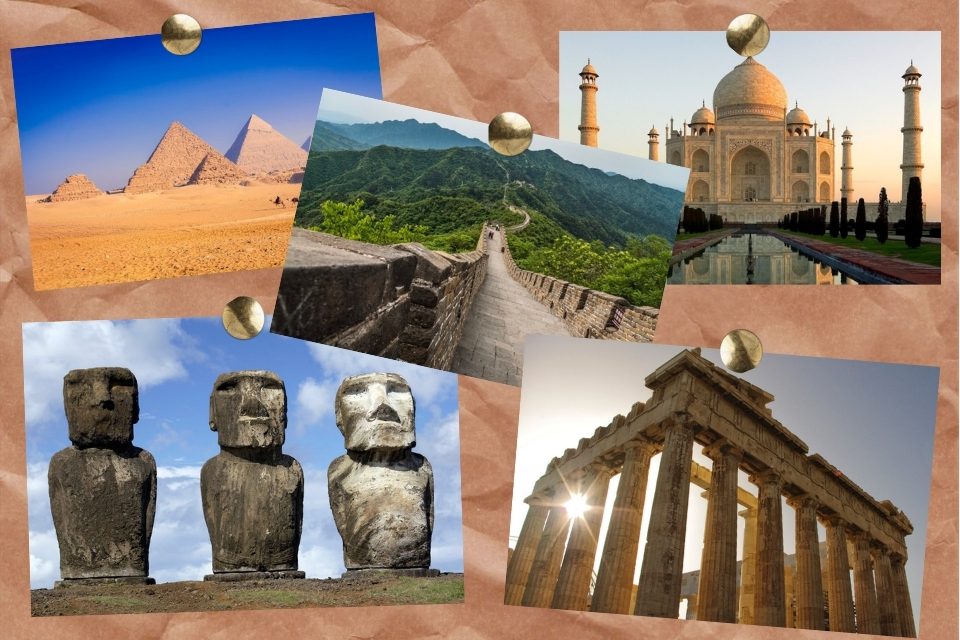
Tangible Heritage: These are the physical artifacts and places that hold historical, artistic, or scientific value. This includes archaeological sites like the Pyramids of Giza, ancient cities like Petra, architectural marvels like the Great Wall of China, museums brimming with artifacts, historical documents, traditional artworks, and even natural landscapes recognized for their unique cultural significance. These are the stones and scrolls that tell stories of bygone eras.
-
Intangible Heritage: Equally, if not more, vital are the living traditions and expressions inherited from our ancestors. This encompasses oral traditions (epic poems, myths, legends), performing arts (traditional music, dance, theatre), social practices (festivals, rituals, ceremonies), knowledge and practices concerning nature and the universe (traditional medicine, ecological wisdom), and traditional craftsmanship (pottery, weaving, calligraphy). Intangible heritage is fluid, passed down through generations by practice and word of mouth, shaping a community’s identity and creativity. It’s the song that echoes through generations, the dance that tells an ancient tale, and the craft that carries centuries of skill.
The Inseparable Dance: How Culture and Heritage Intertwine
Culture and heritage are not distinct entities but two sides of the same coin, locked in an intricate, symbiotic relationship. Heritage is, in essence, the cultural legacy of the past. It’s what previous cultures deemed significant enough to create and pass down. Conversely, our current culture dictates what aspects of our past we choose to value, preserve, and celebrate as heritage.
For example, a traditional festival (intangible heritage) is a direct manifestation of a community’s cultural beliefs, values, and artistic expressions. A historical monument (tangible heritage) might represent the architectural styles, religious convictions, and technological capabilities of a past culture. The language spoken today (a core part of culture) is the direct inheritance of linguistic evolution (linguistic heritage). This continuous interplay ensures that heritage remains relevant and alive within contemporary culture, while culture draws depth and meaning from its heritage roots.
Why They Matter: The Profound Significance of Preservation
The significance of culture and heritage extends far beyond mere sentimentality. They are indispensable for individual well-being, community cohesion, and global understanding.
- Identity and Belonging: They provide a fundamental sense of self and collective identity. Knowing our cultural background and historical roots helps us understand who we are and where we fit in the larger human story, fostering a powerful sense of belonging.
- Education and Learning: Heritage sites and cultural practices offer invaluable lessons about human achievements, failures, resilience, and ingenuity. They serve as living textbooks, teaching us about history, diversity, and the complex tapestry of human experience.
- Economic Value and Sustainable Development: Cultural tourism is a massive global industry, generating revenue, creating jobs, and stimulating local economies. The preservation of heritage sites and the promotion of cultural practices can drive sustainable development and provide economic opportunities for communities.
- Social Cohesion and Peace: Shared cultural practices and heritage sites can unite communities, bridge divides, and foster mutual respect among diverse groups. Understanding and appreciating other cultures and their heritage is crucial for promoting peace and dialogue in an interconnected world.
- Innovation and Creativity: Traditions are not static; they are a wellspring of inspiration. Artists, designers, and innovators frequently draw upon cultural heritage to create new forms of expression, proving that looking back can propel us forward.
- Human Rights and Dignity: The right to culture and the right to preserve one’s heritage are recognized as fundamental human rights. Protecting them is essential for upholding human dignity and self-determination.
Challenges and the Path Forward
Despite their undeniable importance, culture and heritage face numerous threats today. Globalization can sometimes lead to cultural homogenization, conflict devastates invaluable sites, climate change threatens ancient structures, and neglect or lack of funding can lead to irreversible loss.
The responsibility to safeguard these treasures falls upon all of us. International organizations like UNESCO work tirelessly to identify, protect, and promote World Heritage Sites and Intangible Cultural Heritage. Local communities are vital in preserving their unique traditions and historical landmarks. Education plays a crucial role in instilling appreciation in younger generations, while digital technologies offer new avenues for documentation, preservation, and access.
Ultimately, preserving culture and heritage is not about clinging to the past; it’s about investing in the future. It’s about ensuring that the echoes of time continue to resonate, enriching the fabric of life for generations to come. By cherishing our shared human story, we build a more informed, empathetic, and vibrant world for everyone.