

Hiking Rinjani Volcano: A Journey Above the Clouds
Mount Rinjani, an active stratovolcano soaring majestically on the island of Lombok, Indonesia, is more than just a mountain; it’s a sacred peak, a national park, and an epic challenge that beckons adventurers from across the globe. To hike Rinjani is to embark on a journey that transcends the physical, offering an unparalleled opportunity to walk literally "above the clouds," witness sunrises that paint the sky in fiery hues, and connect with nature in its most raw and breathtaking form.
This article delves into the heart of the Rinjani trekking experience, guiding you through what to expect, how to prepare, and why this Indonesian marvel consistently ranks among the world’s most unforgettable hikes.
The Majesty of Rinjani: A Volcanic Wonderland
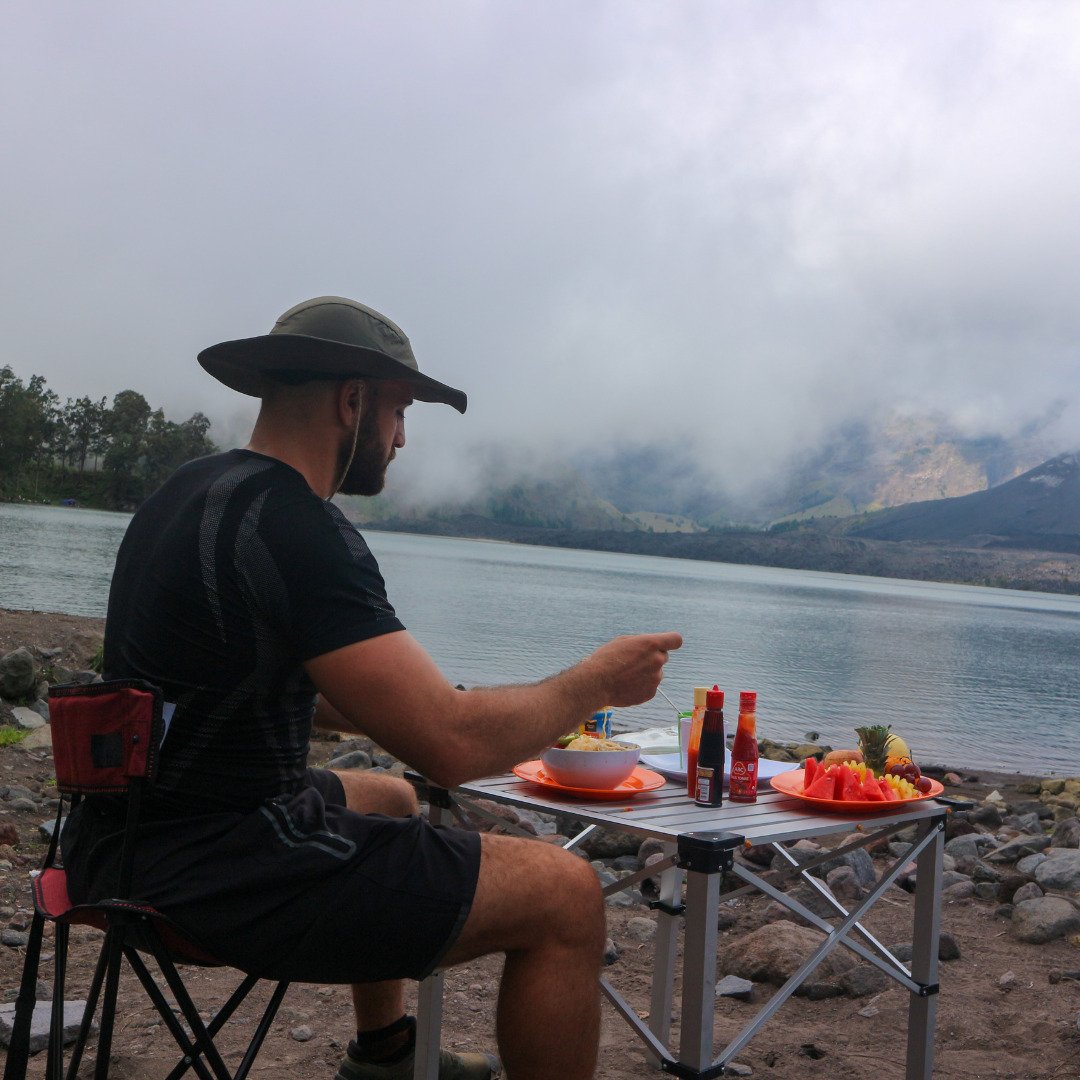
Standing at 3,726 meters (12,224 feet), Mount Rinjani is the second-highest volcano in Indonesia. Its most iconic feature is the stunning Segara Anak (Child of the Sea) crater lake, a vast, crescent-shaped expanse of deep blue water nestled within the caldera at an altitude of 2,000 meters. From the lake’s edge, a new, smaller cone, Gunung Barujari, actively rises, often emitting wisps of smoke, adding to the dramatic landscape. The area is also home to natural hot springs, believed by locals to possess healing properties, offering a welcome respite for weary trekkers.
The Rinjani National Park encompasses a diverse ecosystem, from lush tropical rainforests at its lower slopes to barren, windswept volcanic scree near the summit. This ecological richness means trekkers might encounter various wildlife, including black monkeys (local name: lutung), civet cats, and numerous bird species, adding another layer of wonder to the journey.
Why Rinjani? The Irresistible Call
The motivations for undertaking the Rinjani trek are as varied as the landscapes it offers:
- The Panoramic Views: From the crater rims and especially the summit, the 360-degree views are simply unparalleled. You’ll gaze across Lombok, the Gili Islands, Bali’s Mount Agung, and the vast expanse of the ocean, all from an astonishing vantage point high above the clouds.
- The Challenge: Rinjani is no easy stroll. It demands physical stamina, mental fortitude, and a willingness to push your limits. The satisfaction of conquering its challenging trails is immensely rewarding.
- The Unique Ecosystem: Trekking through distinct climate zones in a matter of days – from dense jungle to alpine meadows and volcanic ash – offers an incredible ecological experience.
- The Spiritual Connection: For many, including the local Sasak people and Balinese Hindus, Rinjani is a sacred place. The spiritual significance adds a profound depth to the physical journey.
- The Crater Lake and Hot Springs: The opportunity to swim in the pristine Segara Anak lake and soak in natural hot springs after a strenuous hike is a unique highlight that few other treks can offer.
The Journey Unfolds: Trekking Routes & Durations
The Rinjani National Park offers several trekking packages, with the most popular starting points being Sembalun (east) and Senaru (north).
- 2 Days 1 Night (2D1N): Typically a Sembalun start, focusing on reaching the Sembalun crater rim for sunset/sunrise, then descending back to Sembalun. This route is challenging as it packs a lot into a short time, often without a summit attempt.
- 3 Days 2 Nights (3D2N): This is the most popular option.
- Sembalun Route: Ascend from Sembalun to the Sembalun crater rim (for summit attempt), then descend to Segara Anak lake, climb to the Senaru crater rim, and finally descend to Senaru. This allows for a summit attempt and lake visit.
- Senaru Route: Ascend from Senaru to the Senaru crater rim, then descend to Segara Anak lake, climb to the Sembalun crater rim (for summit attempt), and descend back to Sembalun.
- 4 Days 3 Nights (4D3N): A more relaxed version of the 3D2N, allowing more time at the lake, hot springs, or additional exploration.
A Glimpse into the 3D2N Sembalun-Senaru Trek:
-
Day 1: The Ascent to Sembalun Crater Rim (2,639m)
The journey typically begins in Sembalun village. The initial hours involve walking through expansive grasslands, gradually ascending through savannas. The trail becomes steeper and more challenging in the afternoon as you tackle "The Hill of Regrets" (Pos 3 to Pelawangan Sembalun). Reaching the Sembalun crater rim, you’ll be rewarded with your first jaw-dropping views of Segara Anak lake below and the Rinjani summit towering above. Camp is set here, offering an unforgettable sunset. -
Day 2: Summit Push, Lake Descent, and Senaru Crater Rim (2,641m)
The true test begins in the early hours of the morning (around 2-3 AM) with the summit push. This involves a grueling 3-4 hour climb up volcanic scree and loose sand, particularly challenging in the dark and cold. Reaching the summit at dawn to witness the sunrise over Lombok and Bali is an experience etched into memory forever. After descending back to the Sembalun crater rim for breakfast, you then embark on a steep, knee-jarring descent to Segara Anak lake. Here, you can swim, explore the hot springs, and enjoy lunch. The afternoon involves another challenging ascent to the Senaru crater rim, where camp is set for your final night, offering different, equally spectacular views. -
Day 3: The Descent to Senaru Village
After a final sunrise from the Senaru crater rim, the descent begins. This route winds through dense tropical rainforests, offering shade and a completely different environment from the upper slopes. The path can be slippery, but the sounds of the jungle and glimpses of wildlife make for an engaging final leg of the journey back to Senaru village.
Preparing for Your Ascent: Essential Gear & Fitness
Rinjani demands respect, and proper preparation is paramount for a safe and enjoyable trek.
Physical Fitness:
This is a strenuous hike. You should be in good physical condition, capable of walking for 6-8 hours a day, including steep ascents and descents. Regular cardio (running, cycling) and leg strengthening exercises (hiking with a pack) in the months leading up to your trek are highly recommended.
Essential Gear Checklist (Your guide/porter will carry cooking equipment, tents, and food):
- Footwear: Sturdy, waterproof hiking boots with good ankle support and grip.
- Clothing:
- Warm layers (fleece jacket, thermal base layers for summit night).
- Waterproof and windproof outer shell jacket and pants.
- Comfortable trekking pants/shorts for lower altitudes.
- Moisture-wicking t-shirts.
- Warm hat, gloves, and buff/scarf.
- Sleeping: Sleeping bag (often provided by tour operators, but check its warmth rating).
- Navigation & Light: Headlamp with spare batteries (crucial for summit push).
- Hydration: Reusable water bottle/hydration bladder (at least 2-3 liters capacity).
- Sun Protection: Sunscreen, sunglasses, wide-brimmed hat.
- Personal Items: Toiletries, small towel, first-aid kit (painkillers, blister plasters, antiseptic wipes), personal medications.
- Backpack: A daypack for your personal items (water, snacks, camera, extra layers) that you’ll carry.
- Trekking Poles: Highly recommended for stability, especially on descents.
- Snacks: High-energy snacks (nuts, chocolate, energy bars) for personal boosts.
- Documents: Passport, necessary permits, cash for tips.
Navigating the Logistics: Guides, Permits, and More
- Mandatory Guides and Porters: It is compulsory to trek Rinjani with a licensed guide and porters. This ensures safety, supports the local economy, and helps manage waste.
- Choosing an Operator: Research reputable tour operators in Senaru or Sembalun. Look for reviews that highlight safety, environmental responsibility (Leave No Trace principles), and fair treatment of porters.
- Permits: National Park entry fees are included in most tour packages. Ensure your operator handles this.
- Getting There: Fly into Lombok International Airport (LOP). From there, arrange transport to Senaru or Sembalun, usually via taxi or private transfer provided by your tour operator.
- Accommodation: Spend a night in Senaru or Sembalun before your trek to acclimate and meet your guide. Many operators offer a pre-trek briefing.
Beyond the Summit: A Deeper Connection
Hiking Rinjani is more than just a physical achievement; it’s an immersive experience that leaves a lasting impact. The camaraderie forged with fellow trekkers, the resilience discovered within yourself, and the profound beauty of the volcanic landscape all contribute to a transformative journey.
Remember to practice Leave No Trace principles: pack out everything you pack in, stay on marked trails, and respect the natural environment and local culture. The beauty of Rinjani depends on responsible tourism.
Safety First: Important Considerations
- Weather: Weather conditions on Rinjani can change rapidly. Be prepared for rain, wind, and cold, even during the dry season (April-November). The park is closed during the rainy season (typically January-March) for safety.
- Altitude Sickness: Be aware of the symptoms (headache, nausea, dizziness) and communicate any discomfort to your guide. Ascend slowly and stay hydrated.
- Hydration: Drink plenty of water throughout the trek to prevent dehydration.
- Listen to Your Guide: Your guide’s experience is invaluable. Follow their instructions and trust their judgment.
Your Journey Above the Clouds Awaits
Mount Rinjani offers a pilgrimage into the heart of a vibrant volcanic landscape, a challenging ascent, and a spiritual awakening amidst the clouds. It’s a journey that will test your limits, ignite your senses, and reward you with vistas and memories that will last a lifetime. If you’re seeking an adventure that combines raw natural beauty with a profound sense of accomplishment, then the call of Rinjani awaits. Pack your bags, train your body, and prepare to step into a world truly above the clouds.