
Ijen Crater’s Ethereal Glow: A Journey into the World of Blue Flames
Imagine a world where the night sky is painted not by stars, but by an otherworldly electric blue fire dancing from the earth itself. Where the air carries the sharp tang of sulfur, and the landscape, even in darkness, hints at a profound, almost alien beauty. This isn’t a scene from a science fiction novel; it’s the raw, breathtaking reality of Indonesia’s Kawah Ijen, home to one of the planet’s most mesmerizing natural phenomena: the Ijen blue flames.
For adventurers, photographers, and those simply seeking a spectacle beyond the ordinary, Ijen Crater offers an unparalleled journey. But this isn’t a stroll in the park; it’s an arduous midnight trek into a volcanic heart, a true test of spirit rewarded by a sight that burns itself into memory. If you’re ready to peel back the veil of night and witness nature’s most enigmatic light show, prepare for an expedition like no other.
The Science Behind the Spectacle: What Makes the Flames Blue?
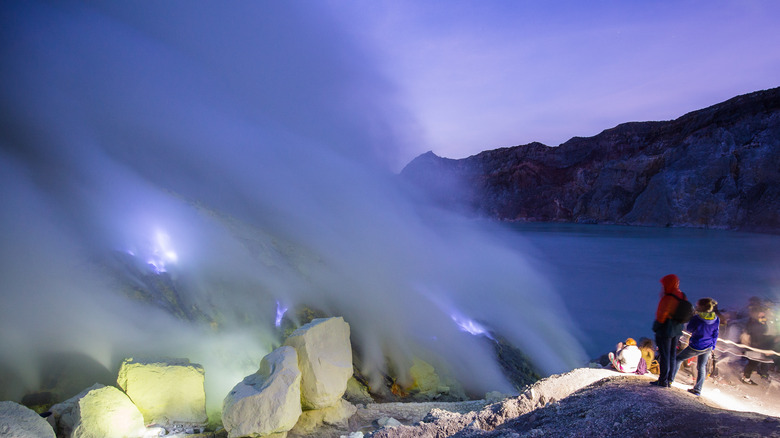
Before embarking on the physical journey, it’s essential to understand the science behind Ijen’s unique allure. Unlike typical volcanic lava, which glows red or orange, Ijen’s "blue lava" isn’t lava at all. The phenomenon is a result of highly concentrated sulfuric gases erupting from cracks in the volcano at immense pressures and temperatures exceeding 360°C (680°F).
When these hot, acidic gases come into contact with the oxygen-rich air, they ignite, combusting to produce striking blue flames that can reach up to five meters (16 feet) high. Much of the gas condenses into liquid sulfur, which continues to burn with a vibrant blue glow as it flows down the slopes, creating the illusion of electric-blue molten rivers. This spectacular display is primarily visible in the dark, making a pre-dawn trek an absolute necessity to witness its full glory.
Embarking on the Midnight Trek: Preparation and the Climb
The adventure typically begins around midnight from the base camp at Paltuding, located in East Java, Indonesia. Most visitors arrange transportation from Banyuwangi or Bondowoso, the nearest towns, ensuring they arrive at the trailhead well before the ascent.
Key Preparations:
- Physical Fitness: The hike to the crater rim is moderately challenging, covering approximately 3 kilometers (1.8 miles) with an elevation gain of around 800 meters (2,600 feet). The path is steep and uneven in places.
- Essential Gear:
- Headlamp or Torch: Absolutely critical for navigating the dark trail.
- Gas Mask/Respirator: Non-negotiable. The sulfur fumes in the crater are potent and harmful. Basic masks are often available for rent, but a good quality respirator offers better protection.
- Warm Clothing: Temperatures at the summit can drop significantly, especially before dawn. Layers are advisable.
- Sturdy Hiking Boots: The terrain is rocky, dusty, and potentially slippery.
- Water and Snacks: Hydration is key, and snacks provide energy.
- Gloves: Useful for gripping rocks and warmth.
The climb itself is a silent, determined procession of headlamps snaking up the volcanic slopes. The darkness adds to the anticipation, each step bringing you closer to the unseen spectacle. The air grows cooler, the scent of sulfur becomes faintly noticeable, and the vast expanse of the night sky above feels incredibly close.
Descending into the Heart of the Crater: Close Encounters with Blue Fire
Upon reaching the crater rim, the real spectacle begins. Far below, a mesmerizing electric blue glow pulsates against the inky blackness. But to truly experience the blue flames, most visitors undertake a further, more precarious descent into the crater itself.
This downhill path is steep, narrow, and often treacherous, winding through loose rocks and volcanic debris. A local guide is highly recommended, if not mandatory, for this section, as they know the safest routes and can assist in navigating the challenging terrain, especially with limited visibility from gas masks.
As you near the source, the blue flames become more vivid, flickering and dancing with an almost liquid quality. The air thickens with the acrid, choking scent of sulfur, making your respirator an indispensable companion. The sounds are primal: the hiss of escaping gases, the crackle of burning sulfur, and the muffled footsteps of fellow adventurers. Witnessing the blue fire up close is an intense, almost surreal experience – a stark reminder of the raw, untamed power of our planet.
The Unsung Heroes: Ijen’s Sulfur Miners
Amidst this otherworldly beauty, one cannot ignore the human element that adds a profound layer of gravity to the Ijen experience: the sulfur miners. These men undertake one of the world’s most dangerous and arduous professions, often working through the night to extract chunks of solidified sulfur from the crater floor.
Using rudimentary tools, they break off bright yellow sulfur deposits, load them into baskets, and carry loads weighing up to 80-100 kg (175-220 lbs) up the treacherous crater path and then down the mountain. For this backbreaking, health-destroying labor, they earn a meager wage, often just a few dollars a day. Their resilience and determination in the face of such extreme conditions are both humbling and heartbreaking. Many visitors offer small gifts or tips to the miners as a gesture of respect and solidarity.
Beyond the Flames: The Turquoise Lake and Sunrise Majesty
As dawn approaches, the blue flames gradually fade, giving way to another breathtaking vista. The first rays of sunlight illuminate the stunning turquoise expanse of Kawah Ijen’s crater lake. This isn’t just any lake; it’s the world’s largest highly acidic crater lake, a chillingly beautiful body of water with a pH of less than 0.5. Its vibrant color is due to the high concentration of sulfuric and hydrochloric acids.
From the crater rim, the panoramic views are spectacular. The rising sun paints the surrounding volcanic landscape in hues of orange, pink, and gold, contrasting sharply with the vivid turquoise lake below and the lingering wisps of white sulfur smoke. This is the moment to shed your gas mask (if the winds are favorable) and breathe in the cooler, cleaner air, savoring the monumental beauty that has replaced the night’s fiery spectacle.
Planning Your Ijen Adventure: Practical Tips for a Responsible Visit
- Best Time to Visit: The dry season (April to October) offers the clearest skies and most favorable hiking conditions. Avoid the rainy season (November to March), which can make paths slippery and obscure views.
- Hire a Local Guide: Especially for the descent into the crater, a guide is invaluable for safety and insights into the local culture and the miners’ lives.
- Health Considerations: The sulfur fumes can be problematic for individuals with respiratory issues (asthma, bronchitis) or heart conditions. Consult a doctor before planning your trip.
- Respect the Miners: Be mindful and respectful of the miners at work. Do not impede their path, and ask permission before taking photos. Consider offering a small token of appreciation.
- Leave No Trace: Pack out everything you pack in. Preserve the pristine environment for future visitors.
- Accommodation: Most travelers stay in Banyuwangi or Bondowoso, which offer a range of guesthouses and hotels.
A Journey for the Senses and Soul
Exploring the blue flames of Ijen Crater is far more than just a tourist excursion; it’s an immersive journey that challenges your body, ignites your senses, and touches your soul. It’s an encounter with the raw, untamed power of nature, a stark reminder of human resilience, and a testament to the planet’s ability to create wonders that defy imagination.
From the silent midnight ascent to the electrifying dance of blue fire, the harrowing descent alongside brave miners, and the ultimate reward of a vibrant sunrise over an acidic turquoise lake, Ijen offers an experience that is at once beautiful, dangerous, and profoundly moving. It’s a memory that will burn as brightly as the blue flames themselves, a story you’ll carry with you long after the sulfur scent has faded from your clothes.