

Komodo National Park: Journey to the Land of the Last Dragons
Imagine a realm where the echoes of prehistory still resonate, where colossal reptiles, the undisputed rulers of their domain, roam ancient volcanic landscapes. This isn’t a scene from a fantasy novel or a Jurassic-era film; it’s a living reality at Komodo National Park, an extraordinary archipelago in Indonesia that serves as the last bastion for the magnificent Komodo dragon. More than just a sanctuary for these awe-inspiring creatures, the park is a UNESCO World Heritage Site, a Man and Biosphere Reserve, and a vibrant testament to nature’s enduring power and beauty.
For those seeking an adventure that transcends the ordinary, a journey to Komodo National Park offers an unparalleled encounter with the wild, a dive into some of the world’s richest marine ecosystems, and a breathtaking panorama of rugged islands, pristine beaches, and crystal-clear waters. It’s a destination that promises not just sights, but an experience that stirs the soul and reminds us of the planet’s incredible biodiversity.
The Reign of the Komodo Dragon: A Living Legend
The undisputed star of the park is, of course, the Komodo dragon (Varanus komodoensis). These magnificent reptiles, the largest and heaviest lizards on Earth, can reach lengths of up to 10 feet (3 meters) and weigh over 300 pounds (136 kg). With their scaly, armor-like skin, powerful muscular bodies, sharp claws, and a primeval gaze, they are a formidable sight. Their scientific discovery in the early 20th century astonished the world, confirming the existence of a creature many believed belonged only to myth.
Komodo dragons are apex predators, masters of ambush. They hunt deer, wild boar, water buffalo, and even other Komodo dragons, using their keen sense of smell to detect prey from miles away. While once believed to rely solely on septic bacteria in their saliva to incapacitate victims, modern research suggests they possess a venom that causes rapid blood loss, shock, and muscle paralysis. Their strategy is patient: a single, potent bite, followed by a waiting game as their venom takes effect, before tracking down their weakened prey.
Observing these "last dragons" in their natural habitat is a humbling experience. Guided by experienced park rangers, visitors can trek across the arid hills of Komodo and Rinca islands, witnessing these majestic creatures basking in the sun, stalking through the dry brush, or simply lumbering across the landscape with an ancient dignity. It’s a poignant reminder of a time when giants walked the Earth, and the critical importance of preserving this unique lineage.
A Jewel of Biodiversity: Beyond the Dragons
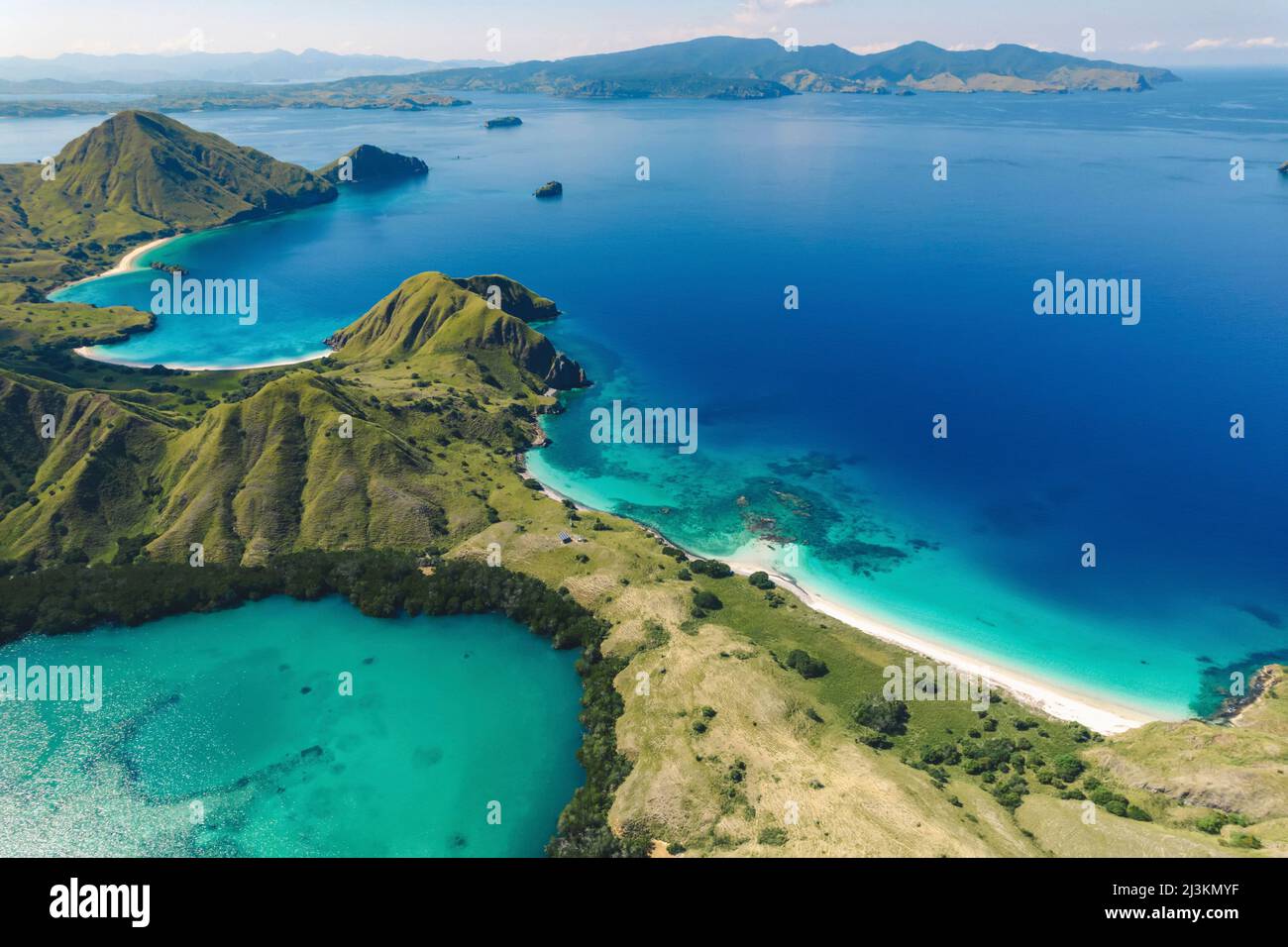
While the dragons are undoubtedly the main draw, Komodo National Park offers a treasure trove of biodiversity that extends far beyond its terrestrial giants. The park encompasses a cluster of volcanic islands – Komodo, Rinca, Padar, and numerous smaller islets – characterized by their rugged, savannah-like landscapes, dramatic hills, and pristine coastlines.
Terrestrial Wonders: The islands themselves are home to a diverse array of wildlife, though often overshadowed by the dragons. Timor deer (the dragons’ primary food source), wild boar, water buffalo, fruit bats, and various species of snakes and birds like the yellow-crested cockatoo and the endemic orange-footed scrubfowl, share this unique ecosystem. The stark beauty of the landscape, with its sweeping vistas of rolling hills and turquoise waters, provides a stunning backdrop to any exploration.
An Underwater Eden: Beneath the waves, Komodo National Park transforms into one of the world’s most vibrant marine ecosystems. Located at the confluence of the Indian and Pacific Oceans, its waters are rich in nutrients, fostering an astonishing array of marine life. Divers and snorkelers are consistently mesmerized by the kaleidoscopic coral reefs, which boast an estimated 1,000 species of fish, 260 species of reef-building coral, and 70 species of sponges.
Encounters with manta rays gracefully gliding through nutrient-rich currents are commonplace at sites like Manta Point. Sea turtles (green, hawksbill, and olive ridley), reef sharks, dugongs, and even dolphins and whales seasonally frequent these waters. The famous Pink Beach (Pantai Merah) on Komodo Island, with its unique rosy hue derived from microscopic red organisms mixed with white sand, offers a surreal spot for snorkeling amidst vibrant coral gardens just meters from the shore.
Komodo National Park: A Sanctuary for Preservation
Established in 1980, Komodo National Park was initially created to protect the Komodo dragon. Its importance was quickly recognized by the international community, leading to its designation as a UNESCO World Heritage Site in 1991, followed by a Man and Biosphere Reserve status. These designations underscore the park’s global significance not only for its unique wildlife but also for its exceptional natural beauty and ecological processes.
Conservation efforts within the park are multifaceted. They include anti-poaching initiatives to protect the dragons and their prey, sustainable tourism management to minimize human impact, scientific research to better understand the ecosystem, and community engagement programs that involve local populations in conservation efforts. However, challenges persist, including illegal fishing, plastic pollution, and the looming threat of climate change, which could impact both the terrestrial and marine environments. The park serves as a critical reminder that even the most formidable creatures and robust ecosystems require human stewardship to survive and thrive.
Experiencing the Dragon’s Domain: Your Visit
Visiting Komodo National Park is an adventure best undertaken with careful planning. The journey typically begins with a flight to Labuan Bajo, a bustling harbor town on the island of Flores, which serves as the gateway to the park. From there, multi-day boat tours are the most popular way to explore the islands. These tours offer a blend of dragon trekking, snorkeling, diving, and island hopping.
Key Experiences Include:
- Dragon Tracking on Komodo or Rinca: Accompanied by experienced rangers, visitors embark on treks of varying lengths to spot Komodo dragons. The rangers ensure safety and provide invaluable insights into the dragons’ behavior and the park’s ecosystem.
- Hiking Padar Island: Famous for its breathtaking panoramic views, a hike to the summit of Padar offers an iconic vista where three crescent-shaped beaches – white, black, and pink – meet the turquoise sea. It’s a truly Instagram-worthy moment.
- Snorkeling and Diving: Explore the underwater marvels at countless sites, from the vibrant reefs of Pink Beach to the thrilling drift dives of Batu Bolong and the chance to swim with manta rays at Manta Point.
- Kanawa Island: A tranquil paradise perfect for relaxation, swimming, and more snorkeling.
Responsible tourism is paramount when visiting Komodo National Park. Visitors are urged to respect wildlife, follow ranger instructions, avoid littering, and support local communities. Every effort to minimize your ecological footprint contributes to the long-term preservation of this extraordinary place.
Conclusion: A Legacy to Protect
Komodo National Park is more than just a tourist destination; it’s a living museum, a testament to evolution, and a critical sanctuary for some of the planet’s most unique creatures. The "last dragons" of Komodo, with their ancient lineage and formidable presence, stand as powerful symbols of the wild, urging us to reflect on our responsibility to protect Earth’s irreplaceable natural heritage.
A journey to this remote Indonesian archipelago is an unforgettable encounter with a world both primal and breathtakingly beautiful. It’s an invitation to witness nature’s grandeur, to marvel at the resilience of life, and to play a part in ensuring that these magnificent dragons continue to roam their ancestral lands for generations to come. The magic of Komodo National Park lingers long after you’ve left its shores, a vivid reminder of the wild heart that beats at the core of our planet.