

Raja Ampat: A Journey into Paradise – Exploring the Magical Beauty of the Coral Triangle’s Crown Jewel
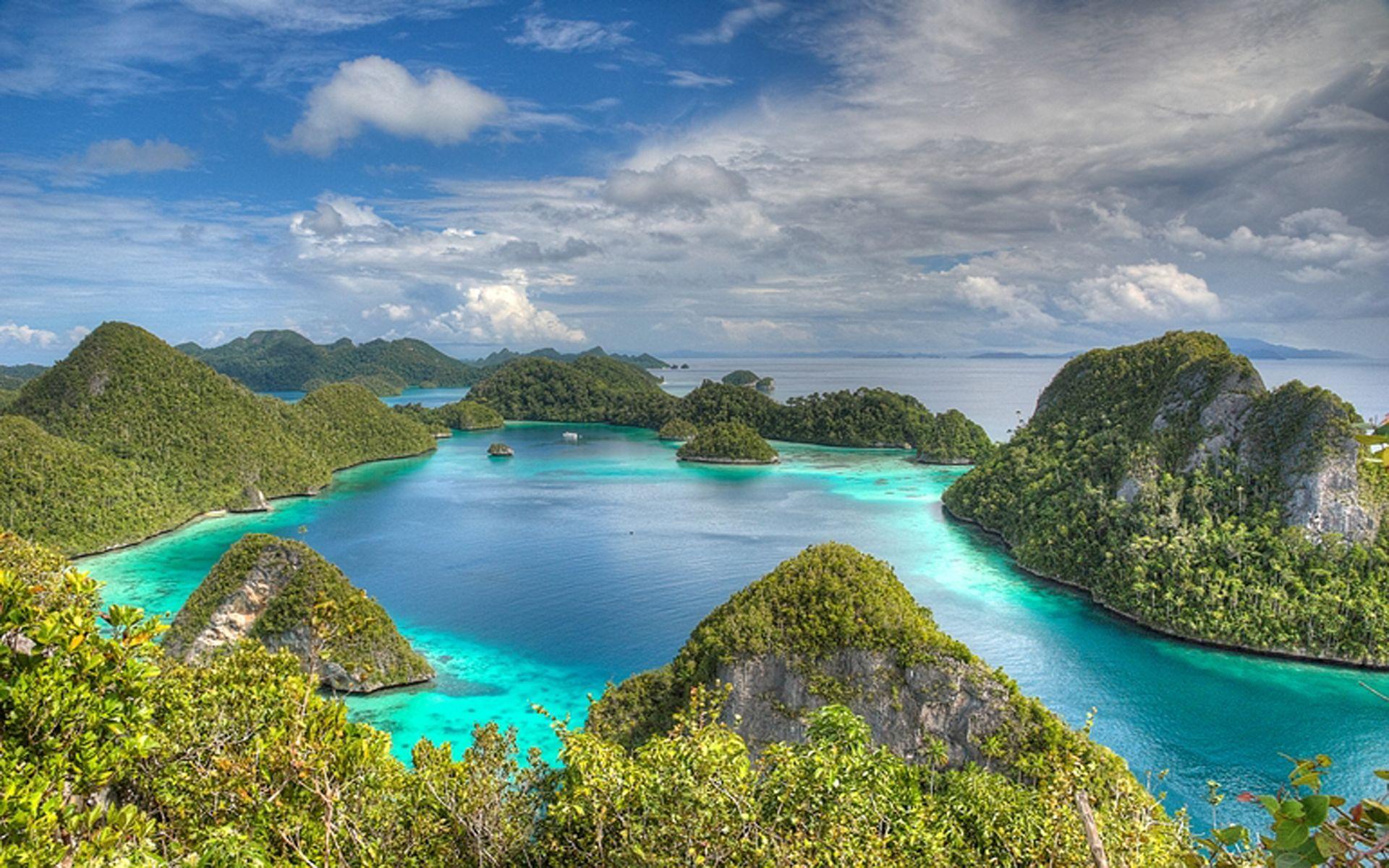
Imagine a place where the ocean teems with an unimaginable kaleidoscope of life, where ancient limestone karsts erupt from turquoise waters like emerald giants, and where the air hums with the pristine silence of an untouched world. This isn’t a fantasy; it’s Raja Ampat, an archipelago nestled in the heart of the Coral Triangle in West Papua, Indonesia. Often hailed as one of the last true marine paradises on Earth, Raja Ampat offers an unparalleled experience for adventurers, nature lovers, and anyone seeking to reconnect with the planet’s most breathtaking natural wonders.
This article invites you on an immersive journey to discover the magical beauty of Raja Ampat, exploring its vibrant underwater ecosystems, its stunning above-water landscapes, its rich cultural tapestry, and the crucial efforts being made to preserve its pristine state for generations to come.
The Heart of Marine Biodiversity: A World Beneath the Waves
Raja Ampat, meaning "Four Kings," refers to the four main islands – Waigeo, Batanta, Salawati, and Misool – and the thousands of smaller islands and cays that comprise this extraordinary region. Its geographical position at the confluence of the Indian and Pacific Oceans, combined with minimal human impact over centuries, has allowed an astounding level of biodiversity to flourish. It is quite literally the global epicenter of marine life, boasting:
- Over 1,500 species of fish: From tiny pygmy seahorses hiding in gorgonian corals to majestic oceanic manta rays gliding gracefully through the blue.
- Over 75% of all known coral species: Hard and soft corals in every imaginable color and form create intricate, thriving cities beneath the surface.
- More than 600 species of hard coral: A density found nowhere else on the planet.
- Numerous species of marine mammals: Dolphins, dugongs, and even whales can be spotted.
- Five out of seven species of sea turtles: Including the critically endangered leatherback turtle.
For divers and snorkelers, Raja Ampat is nothing short of a pilgrimage. The sheer volume and variety of marine life are overwhelming in the best possible way. Imagine drifting effortlessly over expansive coral gardens, adorned with vibrant anemones and clownfish, while schools of barracuda shimmer in the distance. Encounter curious reef sharks patrolling the outer reefs, watch a graceful manta ray being cleaned at a dedicated cleaning station, or marvel at the intricate details of a nudibranch, a sea slug of astonishing beauty.
Dive sites like "Cape Kri" hold world records for the highest number of fish species recorded on a single dive. "Manta Point" offers exhilarating encounters with multiple giant mantas, while the dramatic underwater topography of Misool’s southern islands features breathtaking caverns, swim-throughs, and vibrant soft coral gardens that pulse with life. Whether you’re a seasoned diver or a first-time snorkeler, the underwater world of Raja Ampat promises an unforgettable spectacle that redefines your understanding of marine beauty.
Above the Surface: A Landscape of Ancient Wonders
While its underwater realm is legendary, Raja Ampat’s allure extends far beyond the ocean’s surface. The landscape above the water is equally mesmerizing, characterized by its iconic karst formations – ancient limestone islands sculpted by millennia of wind and waves.
- Wayag and Piaynemo: These are perhaps the most famous panoramic viewpoints. A challenging but rewarding climb to the summit of these islands reveals breathtaking vistas of countless mushroom-shaped islets, scattered across a mosaic of turquoise and emerald waters. The view from Piaynemo, often called "Mini Wayag," is particularly accessible and offers a truly iconic photo opportunity.
- Hidden Lagoons and Pristine Beaches: Beyond the dramatic karsts, Raja Ampat boasts countless secluded coves, hidden lagoons, and pristine white-sand beaches. These are perfect for kayaking, stand-up paddleboarding, or simply relaxing in solitude, listening to the gentle lapping of waves.
- Lush Jungles and Unique Wildlife: The islands themselves are cloaked in dense, tropical rainforests, home to a surprising array of terrestrial wildlife. Birdwatchers flock to Raja Ampat to spot endemic species like the magnificent Red Bird-of-Paradise and Wilson’s Bird-of-Paradise, often found in the jungles of Waigeo.
Island hopping through this archipelago is an adventure in itself, revealing new wonders at every turn. Each island, each cove, seems to possess its own unique charm and secret, waiting to be discovered.
Cultural Immersion: The Warmth of Papuan Hospitality
Beyond its natural splendors, Raja Ampat offers a glimpse into a rich and enduring culture. The indigenous Papuan people who inhabit these islands are deeply connected to their environment, living a life largely dictated by the rhythm of the tides and the abundance of the sea.
Visiting local villages provides an opportunity to experience their simple yet profound way of life. The people of Raja Ampat are known for their warmth, hospitality, and genuine smiles. Many communities offer homestay accommodations, providing an authentic cultural exchange that allows visitors to learn about traditional customs, taste local cuisine, and understand the symbiotic relationship between the people and their precious environment. This human element adds another layer of magic to the Raja Ampat experience, reminding visitors of the importance of preserving not just the ecosystem, but also the cultural heritage tied to it.
Preserving Paradise: Sustainable Tourism and Conservation Efforts
The very magic of Raja Ampat hinges on its pristine condition, making conservation paramount. Recognizing its global significance, Raja Ampat has been designated a Marine Protected Area (MPA), with strict regulations in place to safeguard its ecosystems.
- No-Take Zones: Certain areas are designated as "no-take zones," allowing marine life to thrive undisturbed and replenish surrounding areas.
- Local Involvement: Crucially, local communities are actively involved in conservation efforts, understanding that their livelihoods depend on the health of their environment.
- Responsible Tourism: Visitors play a vital role in supporting these efforts. Practicing responsible tourism means:
- No Touching: Never touch corals or marine life.
- Reef-Safe Sunscreen: Use biodegradable, reef-safe sunscreen to prevent chemical pollution.
- Waste Management: Take all your trash with you and avoid single-use plastics.
- Support Local: Choose eco-friendly operators, resorts, and homestays that directly benefit local communities and uphold sustainable practices.
- Respect Wildlife: Maintain a respectful distance from animals, and never harass them for photos.
By adhering to these principles, every visitor becomes a guardian of Raja Ampat, ensuring its magical beauty endures.
Planning Your Journey to Raja Ampat
While remote, reaching Raja Ampat is part of the adventure.
- Getting There: The journey typically involves flying to Sorong (Dominique Edward Osok Airport – SOQ) in West Papua, followed by a ferry or speed boat transfer to one of the main islands like Waigeo (Waisai).
- Best Time to Visit: Raja Ampat is a year-round destination for diving, but the peak season (drier weather, calmer seas) generally runs from October to April.
- Accommodation: Options range from luxurious liveaboard dive boats (offering access to the most remote sites) and eco-resorts to charming local homestays, each providing a unique experience.
- What to Pack: Light clothing, reef-safe sunscreen, insect repellent, a wide-brimmed hat, sunglasses, a reusable water bottle, a good camera (underwater housing highly recommended), and a sense of adventure.
- Cost: Raja Ampat is a premium destination, and costs can be higher due to its remote location and the commitment to conservation (e.g., marine park fees). However, the unparalleled experience makes it a worthwhile investment.
Conclusion: An Unforgettable Symphony of Nature
Raja Ampat is more than just a destination; it’s an experience that awakens the senses and nourishes the soul. It’s a vibrant tapestry woven from the deepest blues of the ocean, the richest greens of the jungle, and the purest whites of its beaches. It’s a place where you can witness nature’s grandeur on an unimaginable scale, both above and below the water.
To explore Raja Ampat is to step into a living, breathing masterpiece, a testament to the planet’s extraordinary power and resilience. It’s a journey into paradise, an unforgettable symphony of nature that will forever resonate in your memory, urging you to protect and cherish such magical beauty. For those seeking the ultimate adventure and a profound connection with the natural world, Raja Ampat awaits – a crown jewel in the heart of the Coral Triangle, promising a truly once-in-a-lifetime encounter with the wild and the wonderful.