

Raja Ampat: Exploring the Magical Beauty of Earth’s Underwater Paradise
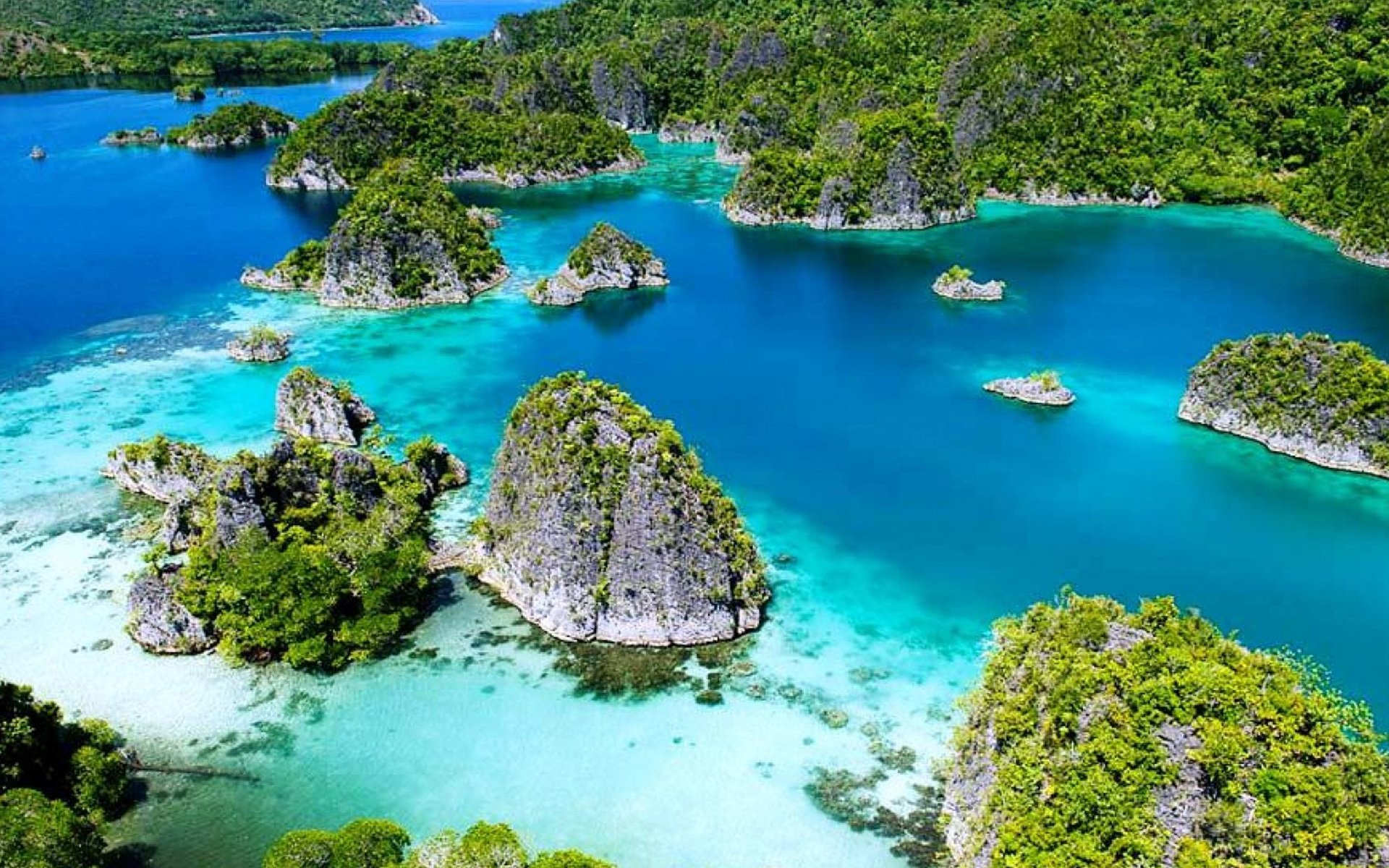
Imagine a place where the water shimmers with a thousand shades of turquoise, where ancient limestone karsts pierce the sky like emerald sentinels, and where life beneath the surface explodes in an unimaginable symphony of color and form. This isn’t a dream from a fantasy novel; it’s the breathtaking reality of Raja Ampat, an archipelago nestled in the heart of Indonesia’s West Papua province. Often hailed as the "Amazon of the Seas," Raja Ampat is a realm of unparalleled natural beauty, an ecological marvel, and a destination that promises an adventure unlike any other.
For travelers seeking an escape from the ordinary, a deep dive into nature’s most exquisite artistry, Raja Ampat offers an experience that transcends mere tourism. It’s an immersion into a vibrant, living masterpiece, a testament to the planet’s enduring magic.
The Epicenter of Marine Biodiversity: A Living Tapestry
At the core of Raja Ampat’s allure is its astonishing biodiversity. Scientists widely recognize this region as the global epicenter of marine life, a claim backed by mind-boggling statistics. Within its protected waters, you’ll find over 75% of the world’s known coral species, more than 1,500 species of reef fish, and a dazzling array of invertebrates, mollusks, and crustaceans. This makes the islands a critical hub for global marine ecosystems and a non-negotiable pilgrimage site for anyone passionate about the underwater world.
Diving or snorkeling in Raja Ampat is akin to stepping into a living, breathing aquarium on an unimaginable scale. Picture yourself drifting effortlessly above vast, healthy coral gardens, teeming with life. Schools of barracuda swirl in mesmerizing formations, while graceful manta rays glide by with serene majesty. You might encounter elusive wobbegong sharks camouflaged on the seabed, playful reef sharks patrolling the reefs, or the tiny, intricate pygmy seahorse clinging to a gorgonian fan. Each dive, each snorkel, reveals new wonders, a testament to the richness and resilience of this pristine environment.
The vibrant soft corals, in particular, paint the underwater landscape in hues of pink, purple, yellow, and orange, creating a surreal backdrop for the kaleidoscope of fish that call these reefs home. From the smallest nudibranch to the largest whale shark (occasionally spotted), Raja Ampat offers an unparalleled spectacle of marine life.
Beyond the Depths: Island Hopping Through a Tropical Dream
While its underwater realms are undeniably legendary, Raja Ampat’s magic extends far above the surface. The archipelago comprises over 1,500 small islands, cays, and shoals, primarily centered around the four main islands – Waigeo, Batanta, Salawati, and Misool – which give Raja Ampat its name, meaning "Four Kings."
Exploring these islands is an adventure in itself. One of the most iconic experiences is the climb to the viewpoints of Wayag and Piaynemo. These challenging but rewarding treks lead to panoramic vistas of a dreamlike landscape: countless mushroom-shaped limestone karsts rising dramatically from emerald and sapphire waters, forming a labyrinthine maze of lagoons and channels. The sheer scale and beauty of these formations are genuinely humbling, providing photographic opportunities that are simply out of this world.
Island hopping also reveals secluded white-sand beaches, perfect for quiet contemplation or a refreshing dip. Hidden lagoons, accessible only through narrow channels, offer tranquil havens for kayaking or paddleboarding, allowing you to silently glide over crystalline waters and observe the untouched nature surrounding you. You might spot a rare bird of paradise in the dense jungle canopy, or witness local Papuan villagers going about their daily lives, offering a glimpse into a culture deeply connected to the sea and land.
A Sanctuary for Responsible Exploration: Preserving the Magic
The extraordinary beauty and biodiversity of Raja Ampat come with a profound responsibility. The local communities, Indonesian government, and numerous international conservation organizations have worked tirelessly to establish and maintain Marine Protected Areas (MPAs) and implement sustainable tourism practices. These efforts are crucial to safeguarding this irreplaceable ecosystem for future generations.
Visitors play a vital role in these conservation efforts. Practicing responsible tourism means:
- No Touching: Never touch corals or marine life.
- No Taking: Do not collect shells, corals, or any other natural souvenirs.
- Reef-Safe Sunscreen: Use sunscreens that do not contain oxybenzone or octinoxate, which are harmful to corals.
- Waste Management: Take all your trash with you and minimize plastic use.
- Supporting Local: Choose locally owned homestays, guides, and businesses to ensure tourism benefits the community directly.
- Respecting Wildlife: Maintain a respectful distance from animals and avoid disturbing their natural behavior.
By adhering to these guidelines, travelers become guardians of Raja Ampat, ensuring its magic endures. Many resorts and liveaboards in the region are eco-friendly, powered by solar energy, and actively involved in community and conservation projects, offering visitors a chance to contribute positively to the area they are exploring.
Planning Your Expedition to Paradise
Venturing to Raja Ampat requires a bit of planning, but the rewards far outweigh the effort.
- Getting There: The main gateway is Sorong (DOM) airport in West Papua. From Jakarta or other major Indonesian cities, you’ll take a domestic flight to Sorong. From Sorong, the journey continues by ferry or speedboat to Waisai, the capital of Waigeo island, or directly to your chosen resort or liveaboard.
- Best Time to Visit: The dry season, from October to April, generally offers the calmest seas and best visibility for diving and snorkeling. However, Raja Ampat’s equatorial location means warm weather and water temperatures year-round.
- Accommodation: Options range from rustic, charming homestays run by local families – offering an authentic cultural experience – to luxurious eco-resorts and world-class liveaboard diving vessels. Liveaboards are particularly popular for divers, allowing access to remote sites and maximizing time spent in the water.
- What to Pack: Lightweight clothing, swimwear, reef-safe sunscreen, insect repellent, a wide-brimmed hat, sunglasses, sturdy walking shoes for island treks, a dry bag, and of course, your camera to capture the magic.
The Enduring Spell of Raja Ampat
Raja Ampat is more than just a travel destination; it’s an experience that awakens the senses, humbles the spirit, and leaves an indelible mark on the soul. It’s a place where time seems to slow down, allowing you to truly connect with nature in its most pristine and powerful form. From the vibrant, pulsating life beneath the waves to the breathtaking panoramas above, every moment in Raja Ampat is a discovery, a revelation of Earth’s boundless artistry.
For those yearning to witness true natural wonder, to explore a realm where magic is not just a concept but a tangible reality, Raja Ampat beckons. It’s an invitation to step into an untouched paradise, to become part of its story, and to carry a piece of its extraordinary beauty in your heart long after you’ve left its shores. Come and explore the Four Kings – the undisputed crown jewel of the Coral Triangle – and prepare to be enchanted.