

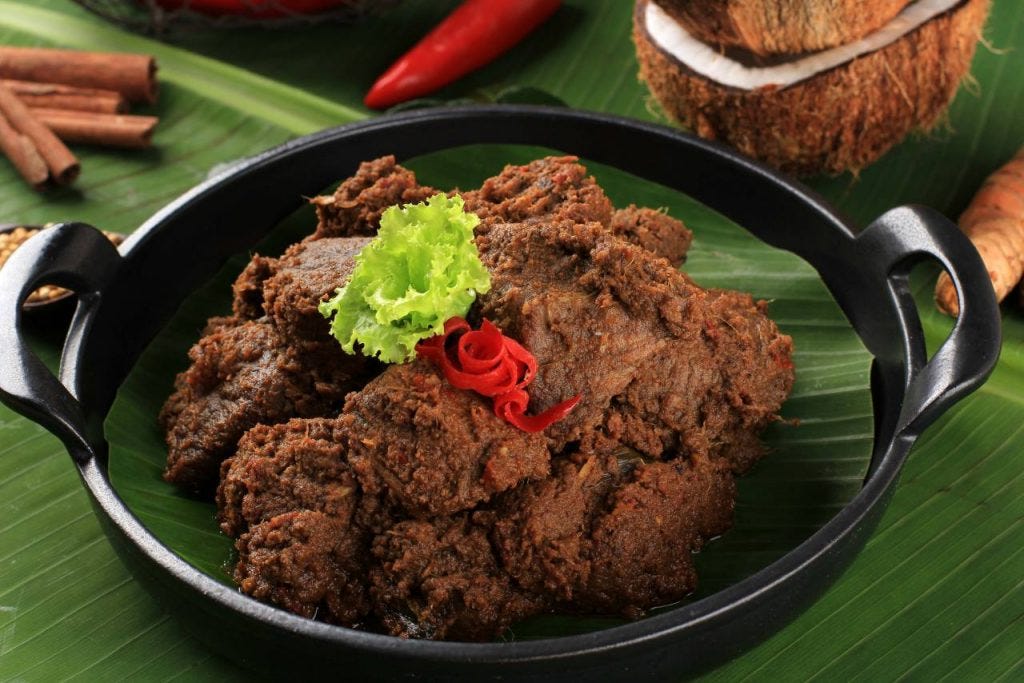
Rendang: Indonesia’s Culinary Jewel, Crowned the World’s Best Dish
Imagine a dish so profoundly flavorful, so rich in history and culture, that it transcends mere sustenance to become an experience. A dish born from the patient alchemy of fire and spice, capable of telling tales of ancient trade routes, communal celebrations, and the very soul of a nation. This is Rendang, the legendary slow-cooked coconut and spice beef (or other meat) stew from Indonesia, a culinary masterpiece that has not only captivated palates across Southeast Asia but has also been lauded by the world as its number one food.
For many, the mention of Indonesian cuisine conjures images of vibrant satays, aromatic nasi goreng, or crispy fried chicken. But at the apex of this rich gastronomic landscape stands Rendang – a dish so revered, so intricate, and so utterly delicious that it consistently claims the top spot in global food rankings, most notably CNN Travel’s "World’s 50 Best Foods" list. This isn’t just a meal; it’s an edible testament to Indonesian ingenuity, patience, and a deep appreciation for the art of flavor.
The Genesis of Greatness: From Minangkabau Heartlands
To truly appreciate Rendang, one must journey to its origins: the verdant highlands of West Sumatra, the ancestral home of the Minangkabau people. More than just a culinary technique, Rendang is deeply intertwined with Minangkabau philosophy and social customs. Historically, its creation was a practical necessity. The slow-cooking process and the natural preservative qualities of the spices and coconut oil allowed the meat to last for weeks, making it an ideal provision for long journeys, trade expeditions, and religious festivals.
The Minangkabau people often view Rendang as a symbol of their identity, embodying four key philosophical pillars:
- Niniak Mamak (traditional leaders): Represented by the beef (daging), the primary ingredient, symbolizing their importance and leadership.
- Alim Ulama (religious scholars): Represented by the coconut milk (karambia), symbolizing their wisdom and purity.
- Cerdik Pandai (intellectuals/scholars): Represented by the chili (lado), symbolizing their sharp intellect and ability to provide direction.
- Masyarakat (the community): Represented by the spice mixture (pemasak), symbolizing the unity and diversity of the people coming together.
This profound connection elevates Rendang beyond a simple recipe; it’s a living heritage, a culinary narrative passed down through generations.
The Symphony of Spices: An Orchestration of Flavor
What makes Rendang so incredibly complex and addictive? The secret lies in its meticulously crafted spice paste, known as bumbu. This isn’t a hasty blend but a carefully balanced orchestra of aromatic ingredients, pounded and ground into a fragrant pulp.
Key players in this spice symphony typically include:
- Chilies (Cabai): Providing varying degrees of heat and a vibrant color.
- Shallots (Bawang Merah) & Garlic (Bawang Putih): Forming the aromatic base.
- Ginger (Jahe) & Galangal (Lengkuas): Lending earthy, pungent, and citrusy notes.
- Turmeric (Kunyit): For its distinctive color and subtle earthy bitterness.
- Lemongrass (Sereh): Imparting a refreshing, lemony, and slightly gingery aroma.
- Kaffir Lime Leaves (Daun Jeruk): Contributing a bright, citrusy, and floral fragrance.
- Candlenuts (Kemiri): Used as a thickener and to add a creamy texture.
- Other aromatic herbs: Such as turmeric leaves (daun kunyit) for an extra layer of complexity.
These fresh ingredients are meticulously combined with creamy coconut milk, which plays a pivotal role in creating Rendang’s signature richness and texture. The choice of meat is predominantly beef, particularly cuts like shank or brisket, chosen for their ability to withstand long cooking times and absorb flavors beautifully. However, variations exist with chicken, lamb, goat, and even vegetarian versions using jackfruit or mushrooms.
The Art of Patience: The Slow Alchemy of Rendang
The true magic of Rendang unfolds over hours of unhurried, gentle simmering. This isn’t a dish to be rushed; patience is its most vital ingredient. The cooking process is a gradual transformation, typically moving through three distinct stages:
- Gulai: Initially, the meat, bumbu, and coconut milk are combined and cooked until the liquid reduces, and the sauce thickens to a curry-like consistency. At this stage, it’s known as "Gulai Daging," a rich, saucy curry that can be eaten immediately.
- Kalio: As the cooking continues, the liquid further reduces, and the coconut milk begins to render its oil. The sauce becomes thicker, darker, and more concentrated, clinging to the meat. This semi-dry version, known as "Kalio," is intensely flavorful and often enjoyed for its succulent, moist texture.
- Rendang: The final stage is reached when almost all the liquid has evaporated, leaving behind a deeply caramelized, dry, and intensely flavored dish. The meat becomes incredibly tender, infused with every nuance of the spices, and coated in a rich, dark, almost glossy glaze of coconut oil and spice paste. This process can take anywhere from 4 to 8 hours, sometimes even longer, over low heat, requiring constant stirring to prevent burning and ensure even caramelization.
During this slow alchemy, the spices meld, the coconut milk transforms into a rich oil, and the meat fibers break down, absorbing every aromatic essence. The Maillard reaction creates complex sugars and proteins, resulting in Rendang’s characteristic deep brown color and profound umami flavor.
Why It’s "The World’s Best": A Symphony for the Senses
Rendang’s global acclaim isn’t merely a matter of taste; it’s a holistic sensory experience.
- Aroma: The moment it reaches your table, the air fills with an intoxicating bouquet of roasted spices, sweet coconut, and savory meat.
- Appearance: Its deep, dark brown hue, often glistening with coconut oil, is visually appealing and hints at the depth of flavor within.
- Texture: The meat, despite being "dry" in its ultimate form, remains incredibly tender, almost melting in the mouth, while the caramelized spice paste offers a slight chewiness.
- Flavor Profile: This is where Rendang truly shines. It’s a masterful balance of sweet, savory, spicy, and earthy notes, with layers of umami that linger long after each bite. The initial heat from the chilies is perfectly balanced by the richness of the coconut and the aromatic complexity of the spices, creating a harmonious explosion on the palate.
The recognition by CNN Travel in 2011, which ranked Rendang as the "World’s 50 Best Foods" list (a position it has often maintained or reclaimed), cemented its status on the global culinary stage. This acknowledgment brought Rendang to a wider international audience, sparking curiosity and appreciation for Indonesian cuisine.
Beyond the Plate: A Culinary Ambassador
Rendang is more than just a dish; it’s a cultural ambassador for Indonesia. It symbolizes the warmth of Indonesian hospitality, the richness of its heritage, and the depth of its culinary traditions. From bustling street food stalls to high-end restaurants, and from family gatherings to grand celebrations, Rendang holds a place of honor.
Its adaptability has also allowed it to travel and evolve. While the classic beef Rendang remains supreme, chefs and home cooks worldwide have experimented with different meats and even plant-based alternatives, introducing this incredible flavor profile to new audiences and dietary preferences.
In a world increasingly seeking authentic and profound culinary experiences, Rendang stands as a beacon. It invites us to slow down, to savor, and to appreciate the intricate dance of ingredients, time, and tradition. It is a dish that speaks volumes without uttering a single word, leaving an indelible mark on the memory and the palate.
So, the next time you encounter Rendang, whether in a vibrant Indonesian eatery or a home kitchen, remember that you’re not just about to eat a meal. You’re about to embark on a culinary journey, a taste of history, and an experience that truly defines why Rendang is, unequivocally, the world’s best dish.