

The Enduring Tapestry: Unraveling the Richness of Culture & Heritage
Who are we, if not the sum of our stories, traditions, and the echoes of generations past? In an increasingly globalized and interconnected world, the concepts of culture and heritage stand as bedrock pillars of human identity, connection, and understanding. Far from being mere relics of history, they are living, breathing entities that shape our present, inform our future, and provide a vibrant tapestry of human experience. This article delves into the profound significance of culture and heritage, exploring their multifaceted nature, their enduring value, the challenges they face, and our collective responsibility in safeguarding them for posterity.
Unpacking the Concepts: Culture & Heritage Defined
At first glance, "culture" and "heritage" might seem interchangeable, yet they represent distinct, albeit deeply intertwined, facets of human existence.
Culture is the broad, dynamic, and ever-evolving set of shared beliefs, values, customs, behaviors, arts, and social institutions that characterize a group or society. It encompasses everything from the language we speak and the food we eat, to the music we create, the rituals we observe, and the way we interact with the world. Culture is learned, transmitted across generations, and constantly adapted, making it a powerful lens through which we perceive and navigate our reality. It’s the operating system of a society, dictating how its members think, feel, and behave.
Heritage, on the other hand, refers to the legacy of physical artifacts and intangible attributes inherited from past generations, maintained in the present, and bestowed for the benefit of future generations. It’s what we choose to preserve and celebrate from our past. Heritage can be broadly categorized:
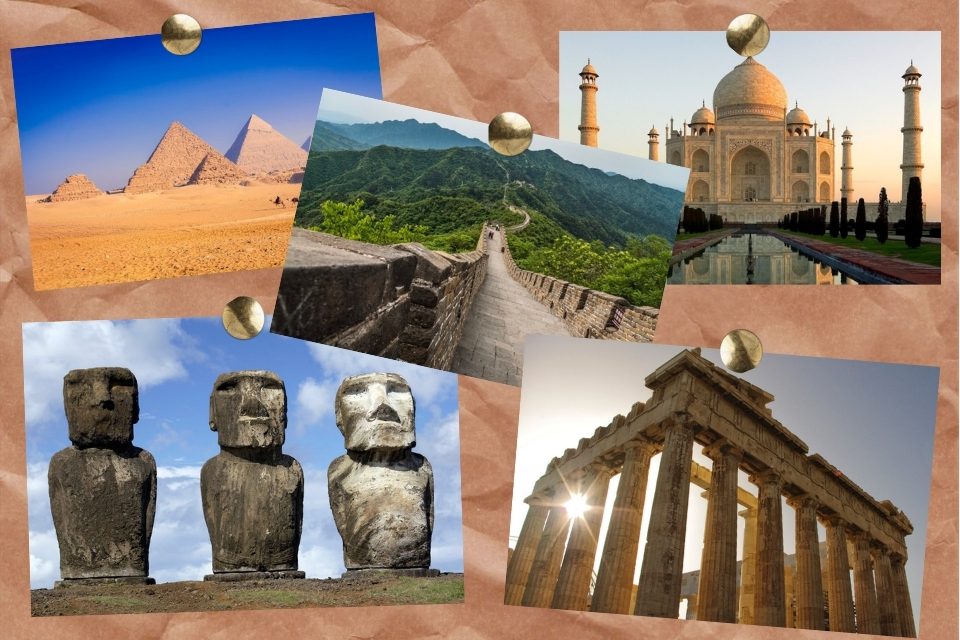
- Tangible Heritage: This includes physical, material items like historical buildings, archaeological sites, monuments, artifacts, artworks, books, and even landscapes that have been shaped by human activity. Think of the Great Wall of China, the Pyramids of Giza, or a family heirloom passed down through generations.
- Intangible Heritage: This encompasses non-physical traditions, expressions, knowledge, and skills that are transmitted from one generation to the next. Examples include oral traditions, performing arts (music, dance, theatre), social practices, rituals, festive events, knowledge and practices concerning nature and the universe, and traditional craftsmanship. The Carnival of Venice or a traditional indigenous healing practice are prime examples.
- Natural Heritage: While often viewed separately, natural heritage—such as national parks, pristine ecosystems, and unique geological formations—is increasingly recognized as integral to human heritage, especially where cultural practices are deeply tied to specific natural environments.
The crucial link is that heritage is often a product and expression of a culture. A traditional dance (intangible heritage) is born from a culture’s beliefs and artistic expressions. A historic temple (tangible heritage) reflects a culture’s architectural prowess and spiritual values.
The Profound Importance: Why Do They Matter?
The significance of culture and heritage extends far beyond mere aesthetic appreciation or historical curiosity. They are fundamental to individual and collective well-being:
- Identity and Belonging: Culture provides a sense of self, answering the fundamental question, "Who am I?" It binds individuals to a community, fostering a sense of belonging, shared purpose, and collective memory. Heritage roots us to our past, offering continuity and context for our existence.
- Education and Wisdom: By studying our heritage, we gain invaluable insights into human achievements, mistakes, and resilience. History, philosophy, and traditional knowledge systems offer lessons that inform contemporary challenges, preventing us from repeating past errors and inspiring future innovations.
- Social Cohesion and Empathy: Shared cultural practices and heritage sites can unite diverse groups, fostering mutual respect and understanding. Engaging with the heritage of others broadens our perspectives, cultivates empathy, and helps bridge divides, promoting peace and dialogue in a pluralistic world.
- Economic Value: Cultural tourism is a massive global industry, generating revenue, creating jobs, and stimulating local economies. The preservation of heritage sites and the promotion of cultural events attract visitors, while traditional crafts and arts provide sustainable livelihoods for many communities.
- Innovation and Creativity: Culture is not static; it’s a dynamic wellspring of creativity. New artistic forms, technological advancements, and societal solutions often draw inspiration from existing cultural foundations. Heritage provides a rich palette of ideas, techniques, and narratives from which new expressions can emerge.
- Environmental Stewardship: Many indigenous cultures hold deep ecological knowledge and sustainable practices, passed down through generations. Preserving this intangible heritage is crucial for developing effective strategies to combat climate change and protect biodiversity.
Navigating the Challenges: Threats to Our Shared Legacy
Despite their immense value, culture and heritage face numerous threats in the modern era:
- Globalization and Homogenization: The rapid spread of dominant cultural forms can overshadow and erode local traditions, languages, and unique expressions, leading to a loss of diversity.
- Conflict and Destruction: Wars, civil unrest, and terrorism often result in the deliberate destruction or collateral damage of cultural sites and artifacts, erasing invaluable parts of human history.
- Neglect and Urbanization: Lack of funding, poor maintenance, and rapid urban development can lead to the deterioration or demolition of historic buildings and traditional landscapes.
- Climate Change: Rising sea levels, extreme weather events, and environmental degradation threaten coastal archaeological sites, ancient cities, and natural heritage areas.
- Commercialization and Misinterpretation: The commodification of cultural practices for tourism or profit can strip them of their original meaning and authenticity, sometimes leading to superficial or exploitative representations.
- Digital Divide: While digital tools offer preservation opportunities, communities without access to technology risk having their heritage overlooked or underrepresented in global digital archives.
Safeguarding Our Shared Legacy: Preservation and Promotion
Recognizing these threats, individuals, communities, and international organizations are actively engaged in the preservation and promotion of culture and heritage:
- International Efforts: Organizations like UNESCO (United Nations Educational, Scientific and Cultural Organization) play a crucial role in identifying, protecting, and promoting World Heritage Sites and Intangible Cultural Heritage. Treaties and conventions aim to prevent illicit trafficking of cultural property and protect heritage during armed conflict.
- Community Engagement: Local communities are often the primary custodians of their heritage. Empowering them through education, resource allocation, and participatory approaches ensures that preservation efforts are culturally sensitive and sustainable.
- Education and Awareness: Integrating heritage education into school curricula and public awareness campaigns helps instill appreciation and responsibility in younger generations.
- Responsible Tourism: Promoting ethical tourism practices that respect local cultures, support local economies, and minimize environmental impact is vital for sustainable heritage management.
- Digital Preservation: Digitizing historical documents, artifacts, and intangible cultural expressions creates accessible archives, safeguarding them from physical deterioration and making them available to a global audience.
- Intergenerational Transfer: Encouraging the active practice and transmission of traditional knowledge, crafts, languages, and performing arts ensures that intangible heritage remains vibrant and alive.
Culture & Heritage in a Dynamic World: The Future
Culture and heritage are not static entities to be enshrined in museums alone. They are living forces that continue to evolve, adapt, and inspire. The future of our shared legacy lies in a delicate balance between preservation and innovation. It requires:
- Dialogue and Exchange: Fostering cross-cultural understanding and celebrating diversity as a source of strength rather than division.
- Adaptive Reuse: Finding new, relevant functions for historic buildings and sites to ensure their continued vitality within modern contexts.
- Youth Engagement: Involving younger generations in cultural practices and heritage stewardship, allowing them to interpret and shape their legacy.
- Technological Integration: Utilizing advanced technologies like virtual reality, AI, and 3D modeling to document, restore, and experience heritage in new and immersive ways.
Conclusion
The enduring tapestry of culture and heritage is woven with countless threads, each representing a story, a belief, a tradition, or a landmark that defines who we are. It is a legacy of human ingenuity, resilience, and spirit that connects us across time and space. In an era marked by rapid change, preserving and celebrating this rich inheritance is not merely an act of nostalgia; it is an essential investment in our collective future. By understanding, respecting, and actively engaging with our diverse cultures and heritage, we empower ourselves to build more inclusive, empathetic, and sustainable societies, ensuring that the echoes of time continue to inspire generations yet to come.