
The Irresistible Beat: Tracing the Evolution of Dangdut, Indonesia’s Most Iconic Music Genre
From bustling city streets to remote village gatherings, the distinctive "dang-dut" rhythm is the undeniable heartbeat of Indonesia. More than just a musical genre, Dangdut is a cultural phenomenon, a mirror reflecting the nation’s soul, joys, struggles, and aspirations. It’s a genre that has defied social stigmas, embraced technological shifts, and evolved continuously, cementing its place as Indonesia’s most iconic sound.
But how did this vibrant, often flamboyant, music come to dominate the airwaves and dance floors of a nation of over 270 million people? The story of Dangdut is one of fascinating fusion, ingenious innovation, and an unwavering connection to the common person.
The Melting Pot of Sound: Dangdut’s Early Roots (Pre-1970s)
To understand Dangdut, we must first look to the rich tapestry of influences that predated its formal birth. Indonesia, a sprawling archipelago at the crossroads of ancient trade routes, was a natural recipient of diverse cultural currents.
In the mid-20th century, the Indonesian soundscape was a vibrant mix. Traditional Malay music, with its delicate melodies and rhythmic patterns, formed a foundational layer. From India came the hypnotic percussion of the tabla and the lyrical storytelling of Bollywood films, bringing with them a certain vocal ornamention and dramatic flair. The Middle East contributed the soulful sounds of gambus (a lute-like instrument) and the spiritual resonance of qasidah (Islamic devotional songs), characterized by their distinctive vocal stylings and pentatonic scales.
As the world modernized, so too did Indonesian music. Western rock and roll, pop, and disco began to seep in, introducing electric guitars, bass, and drum kits. These foreign elements, initially clashing with traditional sensibilities, would soon find their way into a uniquely Indonesian synthesis. This period was a sonic melting pot, a fertile ground where diverse seeds were sown, awaiting the master gardener to bring them together.
The King Arrives: Birth of Dangdut and Rhoma Irama (1970s)
The 1970s marked the official genesis of what we now recognize as Dangdut. While elements of its sound had been percolating for years, it was during this decade that a distinct genre emerged, largely thanks to the visionary artist Rhoma Irama. Often crowned the "King of Dangdut," Rhoma Irama didn’t just play music; he codified a genre and infused it with purpose.
The term "Dangdut" itself is famously onomatopoeic, mimicking the sound of the tabla drum – "dang" for the heavy beat and "dut" for the lighter, accompanying strike. This simple, evocative name perfectly captured the genre’s core: a driving, syncopated rhythm that made it impossible not to move.
Rhoma Irama and his band, Soneta, expertly blended the Indian tabla and flute with Western electric guitars, bass, and drums, creating an instantly recognizable sound. His lyrics, however, were what truly set him apart. Far from mere love songs, Rhoma Irama used his platform to deliver powerful social commentaries, moral lessons, and religious messages. He sang about the dangers of drugs, the importance of faith, and the struggles of the common people. This fusion of danceable beats with meaningful lyrics resonated deeply with the masses, particularly in rural areas, earning Dangdut the moniker "music of the people." Despite its immense popularity, early Dangdut faced resistance from urban elites who sometimes dismissed it as "kampungan" (village music) or unsophisticated. Yet, its appeal was undeniable, laying the groundwork for a cultural revolution.
The Golden Age and Mainstream Acceptance (1980s-1990s)
By the 1980s and 1990s, Dangdut had shed much of its "low-brow" image and entered its golden age. Rhoma Irama continued to reign supreme, starring in numerous Dangdut films that further amplified his message and popularity. But he was no longer alone. A pantheon of female stars emerged, bringing their unique vocal prowess and stage presence to the fore. Artists like Elvy Sukaesih (the "Queen of Dangdut"), Rita Sugiarto, and Camelia Malik captivated audiences with their powerful voices, elaborate costumes, and magnetic performances.
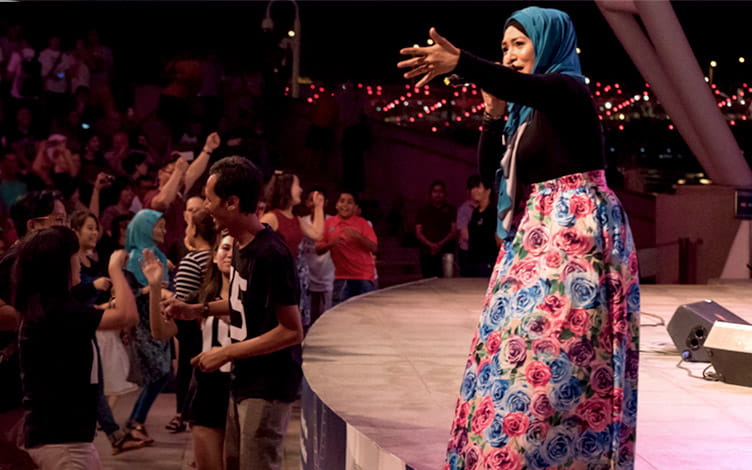
During this period, Dangdut became ubiquitous. Cassette tapes spread its melodies to every corner of the archipelago, and radio stations played it constantly. Its themes expanded beyond moralizing to encompass tales of love, heartbreak, everyday life, and even lighthearted humor. Dangdut concerts, known as "panggung", became vibrant community events, drawing huge crowds eager to dance and sing along. The genre’s adaptability and ability to connect with diverse emotional landscapes solidified its position as Indonesia’s national soundtrack.
Modernization and Diversification: The Rise of Koplo and Beyond (Late 1990s – 2000s)
As the new millennium approached, Dangdut was ripe for further evolution. The late 1990s and 2000s saw the emergence of Dangdut Koplo, a subgenre that originated in East Java and quickly swept the nation. Koplo injected a faster, more aggressive tempo, characterized by a driving, off-beat drumming pattern (often featuring the kendang, a traditional drum). It was raw, energetic, and often accompanied by provocative dance moves and more explicit lyrics, pushing the boundaries of what was considered acceptable in mainstream Dangdut.
Artists like Inul Daratista, with her controversial "Goyang Inul" (Inul Dance), became national sensations, sparking heated debates about morality, censorship, and artistic expression. Other subgenres also flourished, including Dangdut House or Dangdut Remix, which incorporated elements of electronic dance music and Western pop, appealing to a younger, more urban audience. This era demonstrated Dangdut’s incredible resilience and its capacity to absorb new sounds and styles without losing its core identity.
Global Grooves and Contemporary Vibrations (2010s – Present)
Today, Dangdut continues its dynamic evolution, embracing digital platforms and even finding a global audience. Television talent shows like D’Academy and Liga Dangdut Indonesia (LIDA) have created new stars, keeping the genre fresh and relevant for a new generation. Social media and YouTube have become powerful conduits for artists to reach millions, allowing for experimentation and direct engagement with fans.
Contemporary Dangdut artists are more diverse than ever, blending traditional Dangdut with pop, R&B, hip-hop, and even indie sounds. International collaborations are becoming more common, and the genre is slowly but surely gaining recognition on the world music stage. While classic Dangdut retains its charm, modern interpretations explore themes of empowerment, digital romance, and continued social commentary, reflecting the complexities of 21st-century Indonesian life.
The Enduring Appeal: Why Dangdut Resonates
The enduring appeal of Dangdut lies in its multifaceted nature. It’s music that makes you want to dance, sing, and feel. Its rhythms are primal, its melodies are often catchy and heartfelt, and its lyrics speak to universal human experiences – love, faith, joy, sorrow, and the daily grind. It’s democratic music, accessible to everyone, regardless of social standing.
Dangdut is more than just entertainment; it’s a vital part of Indonesia’s cultural identity, a testament to its ability to absorb, adapt, and innovate while staying true to its roots. From its humble beginnings as a fusion of disparate sounds to its current status as a global contender, Dangdut’s journey is a compelling narrative of musical evolution, proving that a truly iconic genre never stops moving to its own irresistible beat.