

Unveiling Earth’s Last Eden: Exploring the Magical Beauty of Raja Ampat Islands
In a world increasingly touched by human development, there remain a few sacred pockets where nature’s artistry unfolds in its purest, most breathtaking form. Among these rare gems, one destination stands supreme, a name whispered with reverence among divers, adventurers, and dreamers alike: Raja Ampat. Nestled in the heart of Indonesia’s West Papua province, this archipelago is not just a destination; it’s an immersive journey into Earth’s most biodiverse marine paradise, a place where the concept of "magical beauty" transcends mere words and becomes a tangible, unforgettable reality.
For anyone seeking an escape into an untouched realm, Raja Ampat offers an experience unlike any other. It’s a tapestry woven from emerald karst islands, pristine white-sand beaches, and a vibrant underwater kingdom teeming with life. This article delves into what makes Raja Ampat truly magical, exploring its geographical wonders, unparalleled biodiversity, rich cultural tapestry, and the crucial efforts to preserve its pristine state for generations to come.
The Geographic Marvel: Where Ancient Geology Meets Azure Waters
The name "Raja Ampat" translates to "Four Kings," referring to its four main islands: Waigeo, Batanta, Salawati, and Misool, surrounded by over 1,500 smaller islands and cays. This intricate labyrinth of land and sea is the result of millennia of geological activity, primarily the uplift of ancient coral reefs and volcanic forces, creating the dramatic limestone formations that pierce the surface of the turquoise waters.
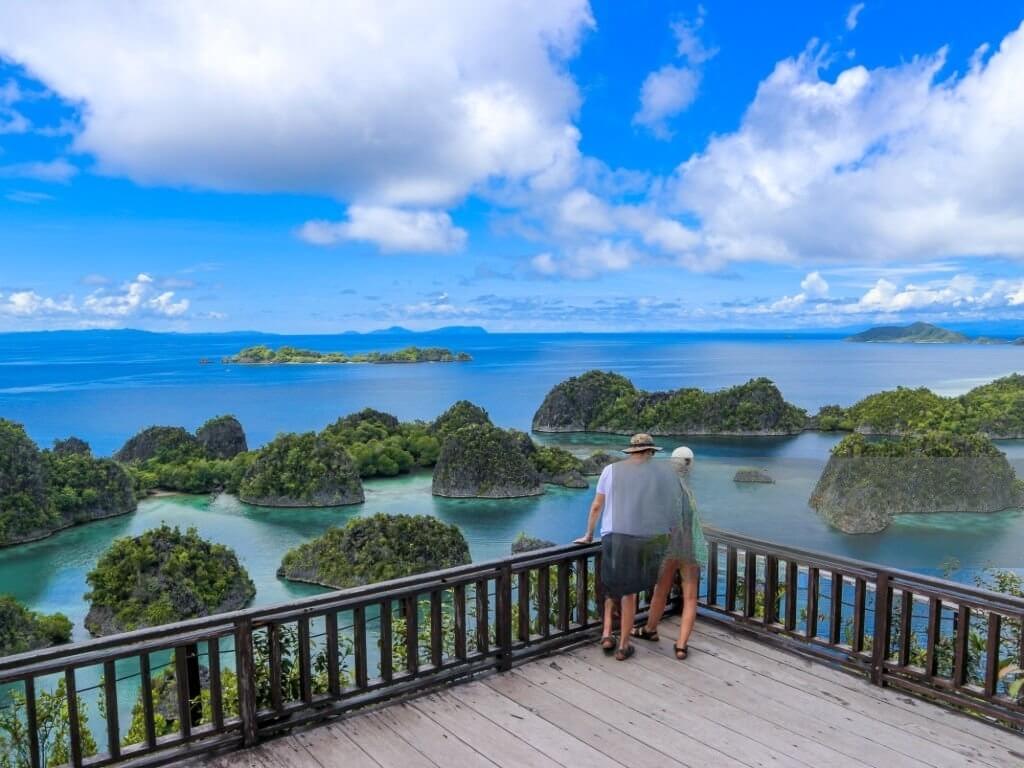
From above, the islands are a spectacle of lush, impenetrable jungle clinging to steep cliffs, giving way to secluded coves and hidden lagoons. The sheer scale and untouched nature of the landscape are awe-inspiring. Imagine navigating through narrow channels, flanked by towering karsts adorned with verdant foliage, only to emerge into a calm bay where the water is so clear you can see the coral gardens below without even dipping your head. Places like Wayag and Piaynemo offer iconic viewpoints where visitors can climb to the summit and gaze upon a panorama of hundreds of mushroom-shaped islets scattered across the iridescent sea – a sight that truly feels like stepping into a fantasy novel. The terrestrial beauty is not merely a backdrop; it’s an integral part of Raja Ampat’s allure, promising adventure and tranquility in equal measure.
The Underwater Kingdom: Earth’s Richest Marine Biodiversity Hotspot
While the above-water scenery is captivating, it is beneath the waves that Raja Ampat reveals its most profound magic. Located at the epicenter of the Coral Triangle, the global center of marine biodiversity, Raja Ampat boasts the richest marine ecosystems on the planet. Scientific studies have consistently shown that this region harbors over 75% of all known coral species, more than 1,700 species of reef fish, 17 species of marine mammals, and a staggering array of other invertebrates, making it an unparalleled underwater Eden.
Diving and snorkeling in Raja Ampat are not just activities; they are transformative experiences. The water temperatures are consistently warm, and visibility often extends to incredible depths, revealing a kaleidoscope of colors and forms. Imagine drifting effortlessly over vibrant coral gardens, where soft corals sway rhythmically in the gentle currents, creating living sculptures in every hue imaginable. You might encounter majestic manta rays gliding gracefully overhead, reef sharks patrolling the outer edges, or the elusive wobbegong shark camouflaged perfectly on the seabed.
The diversity extends to the smallest creatures too, with macro enthusiasts delighting in spotting pygmy seahorses clinging to gorgonian fans, an array of nudibranchs, and countless species of shrimp and crab. From vast schools of barracuda and trevally swirling in synchronized ballets to the solitary beauty of a green sea turtle munching on seagrass, every dive site offers a unique spectacle. Iconic locations like the Dampier Strait are renowned for their nutrient-rich currents that attract an incredible concentration of pelagic life, while the protected bays of Misool offer pristine hard coral gardens that stretch as far as the eye can see, thriving in unimaginable health. The sheer volume and variety of marine life here are a testament to nature’s boundless creativity and resilience.
Beyond the Reefs: Cultural Immersion and Terrestrial Treasures
Raja Ampat’s magic isn’t confined to its spectacular reefs and islands; it extends to its vibrant culture and unique terrestrial ecosystems. The local communities, primarily indigenous Papuan people, have lived in harmony with this environment for centuries. Visiting a traditional village offers a glimpse into their sustainable way of life, rich oral traditions, and intricate handicrafts. Their warmth and hospitality are a memorable part of the Raja Ampat experience, reminding visitors of the importance of respecting local customs and contributing to the local economy through responsible tourism.
On land, the islands are home to a fascinating array of wildlife. Birdwatching enthusiasts flock to Raja Ampat for the chance to spot endemic species like the magnificent Wilson’s Bird-of-Paradise and the Red Bird-of-Paradise, whose elaborate courtship dances are a truly magical spectacle. Trekking through the dense jungle can reveal hidden waterfalls, ancient cave paintings, and unique flora.
For those seeking more active exploration, kayaking or paddleboarding through the mangrove forests offers a serene way to observe the coastal ecosystems, spotting juvenile reef sharks and myriad bird species. The secluded beaches provide perfect spots for relaxation, star-gazing, and soaking in the tranquil beauty of this remote paradise.
The Raja Ampat Experience: Planning Your Journey to Paradise
A journey to Raja Ampat typically begins with a flight to Sorong, West Papua, followed by a ferry or private boat transfer to one of the main islands or a liveaboard vessel. While it requires a bit of effort to reach, the reward is immeasurable. The best time to visit is generally during the dry season, from October to April, when the seas are calmer and visibility is at its peak, though diving is possible year-round.
Accommodation options cater to various preferences, from luxurious eco-resorts that blend seamlessly with the environment to intimate homestays run by local families, offering an authentic cultural immersion. Liveaboards remain a popular choice for divers, allowing them to explore multiple dive sites and remote islands in comfort. Regardless of the choice, responsible tourism is paramount. Visitors are encouraged to choose operators committed to sustainable practices, respect marine life, minimize their environmental footprint, and support local communities.
Conservation: Protecting Raja Ampat’s Future
The magical beauty of Raja Ampat is a precious global heritage, and its continued existence relies heavily on robust conservation efforts. Recognized as a critical marine protected area (MPA), Raja Ampat benefits from the dedication of local communities, non-governmental organizations, and the Indonesian government working tirelessly to combat threats such as illegal fishing, plastic pollution, and the impacts of climate change.
Visitors play a vital role in these efforts by adhering to "reef-safe" practices, avoiding single-use plastics, supporting conservation initiatives, and choosing tour operators that actively contribute to the region’s sustainability. The future of Raja Ampat’s unparalleled biodiversity and pristine landscapes depends on a collective commitment to protecting this invaluable treasure.
Conclusion: A Transformative Encounter with Nature’s Grandeur
Raja Ampat is more than just a travel destination; it is an extraordinary testament to the raw, untamed power and breathtaking beauty of nature. From its dramatic limestone karsts soaring out of turquoise waters to its unparalleled underwater kingdoms teeming with life, every facet of this archipelago whispers tales of ancient wonders and vibrant ecosystems. It offers a rare opportunity to disconnect from the modern world and reconnect with the Earth in its most magnificent form.
Exploring the magical beauty of Raja Ampat is a journey that transcends the ordinary. It’s an immersive, transformative experience that leaves an indelible mark on the soul, inspiring a profound appreciation for our planet’s natural heritage and a renewed commitment to its preservation. For those who seek the truly extraordinary, Raja Ampat awaits, ready to unveil its boundless magic.